
04th November 2026
Executive Summary
Russia’s recruitment of African nationals for its war in Ukraine has developed into a transnational market connecting military manpower demands with employment intermediaries, financial incentives and poorly regulated migration channels. Documented trafficking and coercion have accompanied voluntary enlistment, leaving African governments struggling to establish the circumstances of recruitment and secure the return of their citizens. Although several states have prosecuted recruiters and negotiated repatriations, these interventions have done little to contain the wider recruitment system, which has expanded into new African countries. Kenya’s repeated diplomatic negotiations with Russia illustrate a deeper vulnerability: once citizens enter a foreign military structure, their protection becomes subject to another state’s authority and political calculations. The growing recruitment economy raises serious questions about African governments’ ability to exercise responsibility for their citizens beyond national borders.
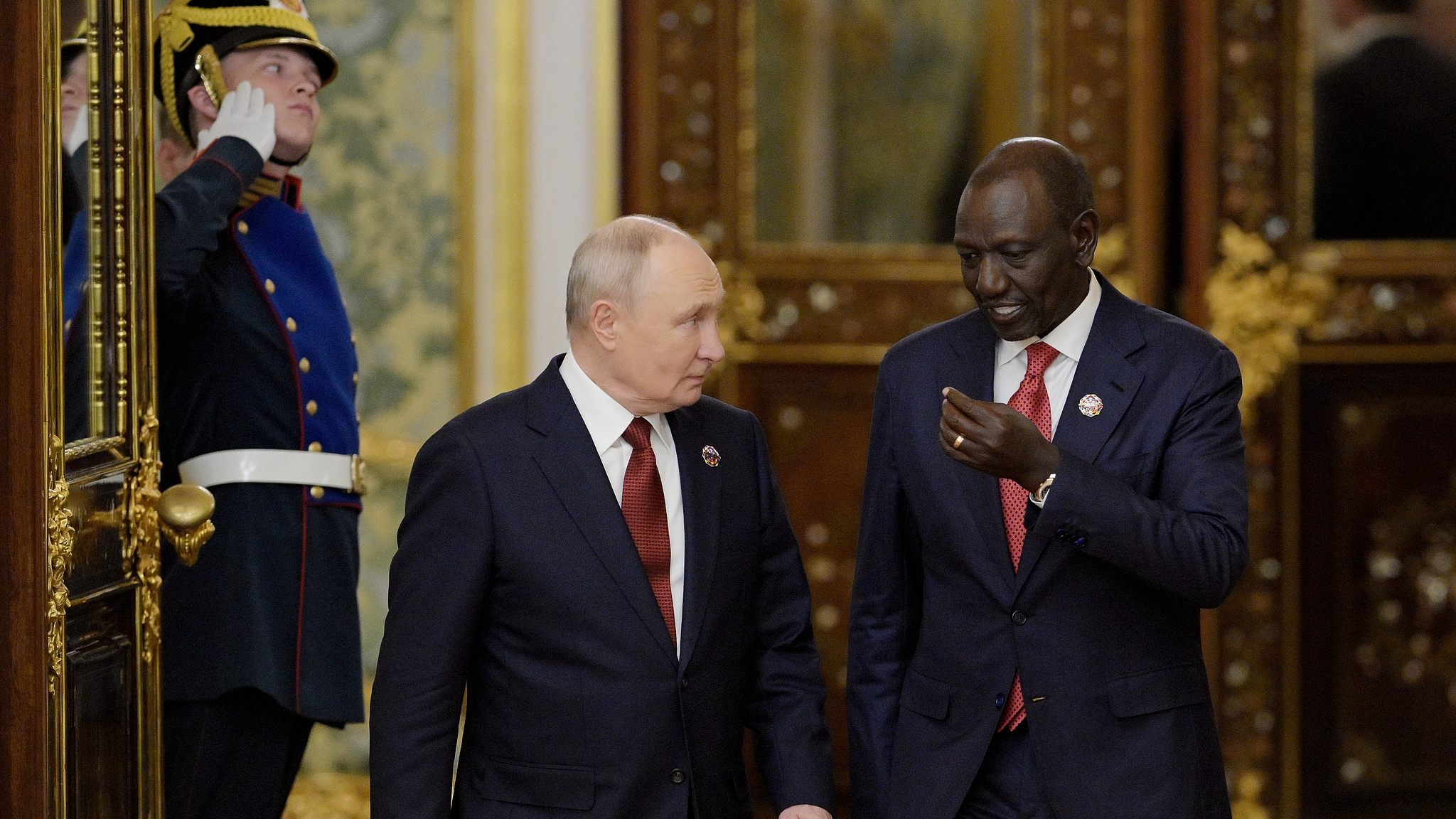
On 29–30 October 2026, Kenyan President William Ruto secured another commitment from Russia to halt the recruitment of Kenyan nationals into its military, following an earlier assurance in March that had failed to resolve the issue. The agreement came as new evidence indicated that Russian military recruitment networks were expanding their activities across Africa, drawing increasingly on countries with limited employment opportunities and weaker mechanisms for monitoring overseas recruitment. Ukrainian records cited in October identified approximately 5,400 Africans from 43 countries who had signed Russian military contracts, while separate investigations had documented more than 500 African deaths by June. A United Nations (UN) inquiry published on 26 October established that Russian authorities had coordinated with recruitment agents to traffic foreign nationals from 29 countries. The findings place African recruitment within an organised system connecting Russian military manpower requirements with commercial intermediaries operating far beyond Russia’s borders.
Russia’s prolonged war has generated sustained demand for military personnel, creating opportunities for recruitment businesses capable of accessing foreign labour markets. In Kenya, investigations identified employment agencies and intermediaries offering prospective recruits positions in security, logistics and transport, with some ultimately enlisted for combat. Contracts examined by investigators recorded recruitment fees ranging from approximately USD 11,700 to USD 16,500, occasionally linked to anticipated military signing bonuses. Some Africans knowingly accepted military employment because of the financial incentives, while others were deceived about the nature of their contracts or subjected to coercion after arrival. The UN inquiry documented cases involving misleading employment offers, Russian-language contracts and subsequent frontline deployments. These arrangements have enabled intermediaries to obtain substantial payments while transferring the physical dangers and contractual consequences to recruits who may lack the language skills, legal representation or financial resources necessary to challenge their enlistment.
The recruitment system has also developed a digital infrastructure capable of reaching prospective workers across multiple jurisdictions. Investigators identified 33 recruitment operations using hundreds of websites, social-media accounts and messaging channels to advertise salaries, Russian citizenship and overseas employment opportunities. Such networks operate through commercial arrangements that can obscure the connection between the original recruiter and the military institution ultimately receiving the recruit. Their geographical flexibility is becoming particularly apparent as recruitment expands beyond previously identified source countries. Ukrainian intelligence-linked figures indicated that recruitment from Burundi increased from 30 people during 2025 to 699 in the first nine months of 2026, while Zimbabwe’s reported numbers rose from 65 to 530 over the corresponding periods. Although these estimates lack independent verification through Russian military records, the scale of the reported increases suggests that recruitment networks have considerable scope to expand into alternative African labour markets as individual governments introduce restrictions.
The involvement of domestic intermediaries has revealed weaknesses in African labour-migration oversight, particularly where recruitment agencies can arrange travel through legitimate commercial channels before the intended employment is properly established. Kenyan authorities have prosecuted suspected recruiters and investigated allegations that officials facilitated enlistment, including through improper assistance with recruitment and travel arrangements. These investigations are important exercises of national authority, but enforcement becomes considerably more difficult once recruits reach Russia. Local prosecutions cannot compel foreign military commanders to disclose deployment information, terminate contracts or identify personnel killed in combat. Recruitment also creates competing legal questions concerning voluntary enlistment, deception and forced military service, requiring governments to establish the circumstances of individual cases before pursuing appropriate remedies. Where recruitment arrangements have involved politically connected intermediaries or officials, the resulting investigations introduce further questions about domestic accountability and the effectiveness of existing controls over international employment agencies.
African governments have nevertheless secured some results through diplomatic intervention. South Africa obtained the return of 15 of 17 men involved in a prominent recruitment case following direct engagement between President Cyril Ramaphosa and Russian President Vladimir Putin. Ghana pursued discussions concerning detained nationals after reporting that 272 Ghanaians had been recruited and 55 had died, while Kenya established additional arrangements to coordinate repatriation and compensation claims. Cameroon acknowledged 16 deaths in April, although independent investigations suggested a considerably larger number of casualties. Uganda subsequently reported 11 confirmed deaths and another 16 missing nationals whose bodies had not been recovered. These responses reveal considerable differences in the information available to governments and their ability to obtain cooperation from Russian authorities. Families frequently remain dependent on unofficial reports, intermediaries or foreign military institutions for confirmation of deaths, the recovery of remains and access to compensation.
The legal circumstances become particularly complicated when African recruits are captured by Ukrainian forces. International humanitarian law provides prisoner-of-war protections to qualifying members of foreign armed forces, including individuals whose original recruitment involved trafficking or coercion. Their subsequent detention can therefore bring African governments into negotiations involving Russia and Ukraine, while questions concerning the legality of recruitment remain unresolved. Ukrainian records cited in October identified at least 37 African nationals among foreign prisoners of war in Ukrainian custody. The difficulties extend to compensation, where families of deceased recruits have reportedly encountered intermediaries offering assistance with Russian military payments in exchange for commissions reaching 30 percent. Such arrangements create further opportunities for financial exploitation after the original recruitment process has ended. The protection of affected citizens consequently involves overlapping criminal, military, diplomatic and humanitarian processes, many of which operate beyond the effective jurisdiction of their home governments.
Kenya’s latest negotiations illustrate the political constraints surrounding these efforts. Alongside the renewed undertaking to stop military recruitment, Kenya and Russia discussed expanding educational scholarships, developing a bilateral labour agreement and strengthening economic cooperation. The wider Russia–Africa Summit similarly promoted Russian partnerships in trade, agriculture, technology and security, maintaining relationships that several African governments consider strategically valuable. These engagements place the protection of recruited citizens within broader diplomatic relationships encompassing substantial national interests. Kenya’s ability to secure direct presidential intervention demonstrates that African governments possess channels through which they can press for assistance, although the repeated requirement for Russian commitments raises questions about their implementation. The reported expansion of recruitment elsewhere also indicates that bilateral restrictions have limited reach across a system operating through multiple national jurisdictions. Russia’s presentation of its African partnerships as relationships founded on sovereignty and mutual respect faces growing scrutiny where African governments must negotiate for information about citizens incorporated into its military structures.
The expansion of foreign military recruitment presents a wider challenge to the protection of African nationals working abroad, particularly as economic insecurity continues to encourage migration through private employment networks. The experience of countries already affected suggests that recruitment activities can move towards populations with fewer opportunities for legal migration and governments with limited investigative or consular resources. Russia’s continuing military requirements provide an incentive for these channels to persist, while the financial benefits available to intermediaries encourage their adaptation to changing restrictions. The next phase of recruitment could consequently place greater pressure on African states with fewer diplomatic resources to secure information, releases and compensation. The increasing use of privately brokered military labour threatens to establish a lasting pattern in which foreign armed forces gain access to African manpower while responsibility for the human consequences falls principally on governments and families with limited authority over the institutions involved.