
Executive Summary
The Turkiye brokered agreement (Ankara Declaration) between Somalia and Ethiopia will likely reduce risks of direct hostilities between both countries; however, it does not resolve the underlying power struggle. Ethiopia’s long-standing ambition for direct military access to the sea remains a key issue, and Somalia remains wary of Addis Ababa’s strategic objectives. The upcoming negotiation rounds will determine whether this agreement marks a genuine de-escalation or merely serves as a temporary pause in Ethiopia’s maritime ambitions.
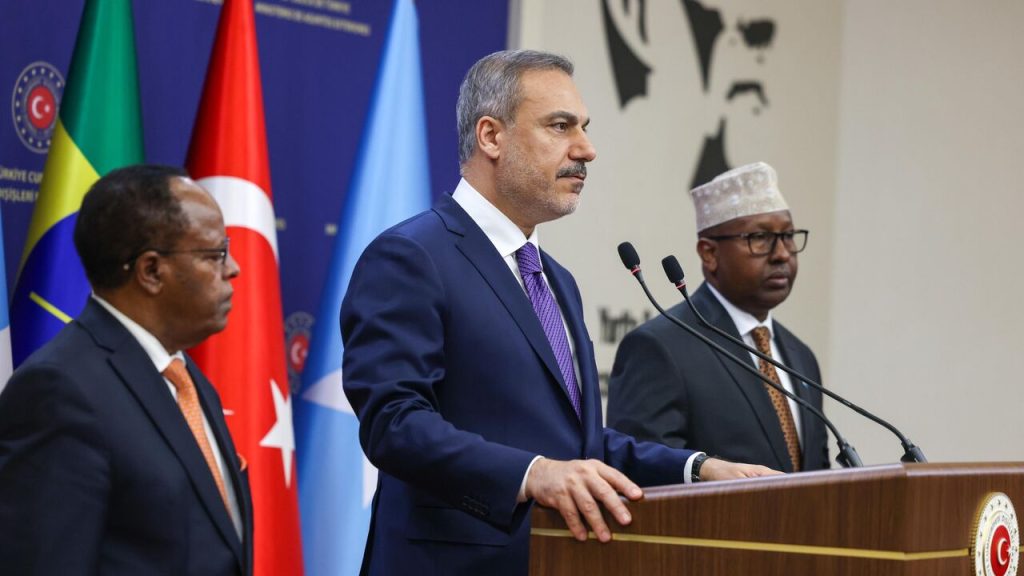
Ankara Declaration: Türkiye Brokers a Deal, but Ethiopia’s Maritime Ambitions Persist
On 11 December 2024, Türkiye brokered the Ankara Declaration between Somalia and Ethiopia, committing both nations to respecting each other’s sovereignty and territorial integrity while acknowledging Ethiopia’s interest in securing maritime access. The agreement mandates technical negotiations on trade arrangements that would allow Ethiopia sea access under Somali sovereignty, with talks set to conclude by February 2025. However, the declaration does not address Ethiopia’s prior memorandum of understanding (MoU) with Somaliland, which granted Addis Ababa military access in exchange for recognising Somaliland’s sovereignty. This omission leaves ambiguity over Ethiopia’s true intentions and the potential for renewed tensions.
The Ankara Declaration is a calculated diplomatic move by Türkiye aimed at reinforcing its influence in the Horn of Africa while navigating the complex power dynamics between Somalia and Ethiopia. Despite Ankara’s success in bringing both sides to the negotiating table, the declaration leaves crucial issues unresolved, particularly Ethiopia’s maritime ambitions, the fate of its agreement with Somaliland, and Somalia’s concerns over sovereignty.
At the heart of the dispute is Ethiopia’s insistence on securing direct access to the sea, a long-standing strategic objective that Prime Minister Abiy Ahmed has aggressively pursued. The MoU signed between Ethiopia and Somaliland in early 2024 granted Ethiopia military and commercial access to Berbera Port, but in return, Addis Ababa agreed to recognise Somaliland’s sovereignty—an arrangement fiercely rejected by Somalia. The Ankara Declaration makes no mention of this deal, raising concerns that Ethiopia will continue pursuing unilateral action to achieve its objectives. Abiy’s previous track record of using diplomatic agreements as stopgap measures while implementing faits accomplis—most notably in the case of the Grand Ethiopian Renaissance Dam—reinforces scepticism over Ethiopia’s long-term intentions.
Somaliland’s internal political shift has further complicated Ethiopia’s position. The November 2024 election of Abdulrahman Abdullahi ‘Irro’ as president has weakened Ethiopia’s leverage. His predecessor, Muse Bihi, was a strong proponent of the Ethiopia-Somaliland MoU, whereas Irro has signalled a greater willingness to align with the federal government in Mogadishu. This shift has deprived Ethiopia of a key regional ally and forced Prime Minister Abiy to recalibrate his approach. The Ankara Declaration may be less about Ethiopia’s commitment to diplomatic compromise and more about buying time until a more favourable regional alignment emerges.
Beyond bilateral negotiations, regional and international actors are shaping the conflict’s trajectory. Ethiopia’s acceptance of Türkiye’s mediation comes at a time when Addis Ababa is actively working to prevent Egyptian military involvement in Somalia. Egypt’s backing of the new African Union peacekeeping mission in Somalia is widely seen as an effort to counter Ethiopia’s influence. Meanwhile, reports suggest that US President Donald Trump is considering recognising Somaliland’s independence, driven by lobbying from the United Arab Emirates. Such a move would legitimise Ethiopia’s maritime claims while intensifying Somalia’s territorial challenges.
Türkiye’s involvement in the Horn of Africa extends beyond diplomacy. It maintains deep economic and military ties with both Ethiopia and Somalia, positioning itself as a key external player. Ethiopia is home to over 200 Turkish companies, with investments surpassing USD 3 billion, making it one of Türkiye’s most important African trade partners. Concurrently, Türkiye has a strategic defence agreement with Somalia, securing oil and gas exploration rights in Somali waters and deploying naval forces to protect its interests. This dual engagement amplifies Ankara’s balancing act, but it also highlights the limits of its ability to enforce a lasting solution between Addis Ababa and Mogadishu.
The Ankara Declaration is unlikely to bring an end to Ethiopia’s maritime ambitions. While it temporarily reduces hostilities, it does not compel Ethiopia to abandon its pursuit of direct military and commercial access to the sea. Whether Addis Ababa ultimately respects Somalia’s sovereignty or leverages diplomatic stalling tactics to achieve its objectives will be the defining factor in the success or failure of this agreement. The coming months will reveal whether the Ankara process leads to genuine compromise or merely serves as a tactical pause before Ethiopia renews its push for maritime expansion.