
21st September 2026
Executive Summary
Dangote Petroleum Refinery has already helped Nigeria rely less on imported fuel and increased the country’s presence in African and European product markets. The public offer in September will show how much these benefits reach the wider Nigerian economy. Many households still pay fuel prices tied to international crude markets, and it is difficult for most Nigerians to notice government subsidy savings in their daily lives or public services. The refinery’s size also means one private company now has more control over crude demand, local supply, and regional trade. Nigeria’s next challenge is to make sure the benefits of domestic refining are shared among consumers, businesses, and public finances, while using its growing production to support West African fuel supply and pricing.
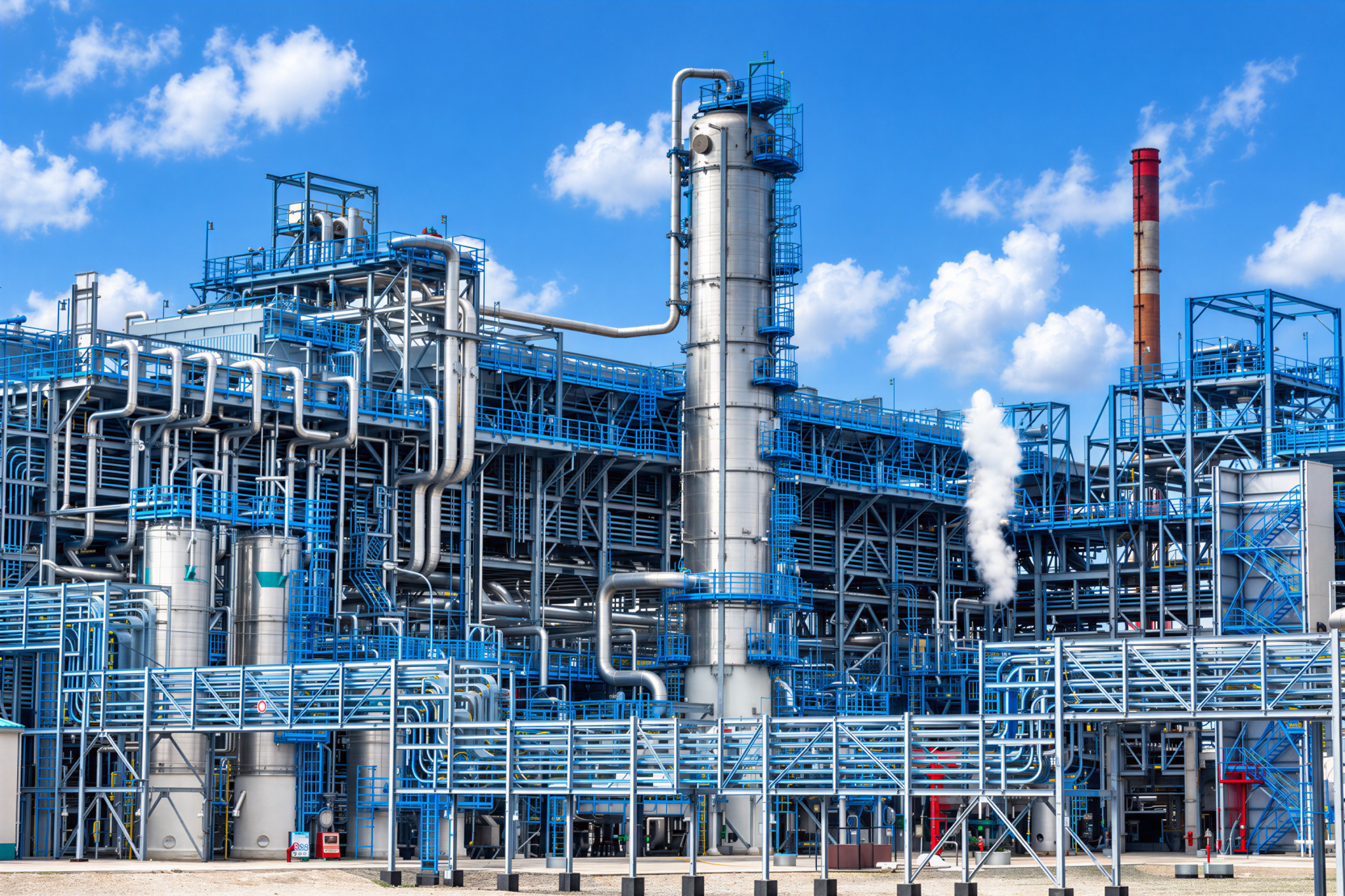
Dangote Petroleum Refinery raised its petrol gantry price to about USD 1.02 per litre on 12 September, following four increases in 22 days. Two days later, the company launched a public offer seeking approximately USD 1.6 billion from Nigerian investors. The timing marks the next phase of Nigeria’s refinery transformation. Nigerians are being invited to own part of an industrial asset that has sharply reduced fuel imports and expanded petroleum exports, while also feeling its pricing decisions through transport fares, food distribution and household expenditure. The refinery has therefore moved into a position where its commercial decisions increasingly intersect with national energy policy, public finances and everyday economic conditions.
In the second quarter of 2026, Nigeria’s imports of petroleum products by sea dropped below 130,000 barrels a day, whereas in 2023 they had been just under 400,000 barrels a day. Exports of products amounted to about 350,000 barrels a day, of which roughly 130,000 barrels a day were sent to Europe and nearly 120,000 barrels a day were exported to African markets. Dangote earned revenue of about USD 13.9 billion and after-tax profit of USD 1.82 billion in the first six months of 2026. Nevertheless, the environmental and social consequences of the increased refining activity, such as emissions, effects on local communities, and resource management, need to be further examined in order to help shape sustainable policy and investment strategies.
The benefit derived from industrial growth has not been equally obvious to households. In mid-September, petrol was being sold at about USD 1.03 to 1.06 per litre at a number of retail outlets, this being due to higher crude oil prices, exchange rate conditions and domestic distribution costs. August inflation was 15.39 per cent, food inflation reaching 19.57 per cent, and transport continued to be a major factor in household expenses. Domestic refining has improved the physical supply and reduced vulnerability to imported finished products, shipping costs and certain foreign-exchange pressures, but Nigerian consumers are still affected by fluctuations in the underlying international oil market. Thus, while the refinery enhances energy security, it does not permanently reduce the price of that security.
After the petrol subsidy has been removed, this difference becomes even more evident. The Nigerian government believes that the total amount saved through the subsidy across the federation is about USD 12 billion. Meanwhile, debt service, wages, spending on infrastructure and other fiscal demands have taken up a large part of the extra budget space. The extent of household-level measures to cope has stayed limited. Approximately 9.2 million households were included in the federal cash-transfer programme, the amount paid to each person per instalment being around USD 19, and many recipients receiving only a few transfers. The political value of expanding the refinery therefore will increasingly depend on whether a reduced reliance on imports eventually leads to lower structural transport costs, better public services, more industrial activity and more reliable employment.
The refinery also reshapes the distribution of economic power within Nigeria’s petroleum sector. Fuel imports previously supported large commercial networks involving international suppliers, domestic marketers, shipping companies, foreign-exchange transactions and subsidy administration. Greater domestic processing concentrates more economic activity around crude allocation, refinery throughput, storage, distribution and export infrastructure. Dangote occupies the dominant position within this structure. The Nigerian government also regulates the downstream market, sets crude-supply rules, holds a minority stake through the Nigerian National Petroleum Company Limited (NNPC), manages trade policy, and is responsible for fuel affordability and competition. These overlapping roles place the state and the refinery in a much closer strategic relationship.
Crude supply will provide the clearest test of how that relationship evolves. Dangote currently imports around 30–40 per cent of its feedstock. Nigerian producers argue that domestic crude is available, while disagreements persist over price, existing export commitments and commercial terms. The policy issue therefore centres on how Nigeria allocates crude between direct exports and domestic processing. Crude exports generate foreign exchange immediately. Domestic processing produces petrol, diesel, aviation fuel, petrochemicals and other products that can supply Nigerian users or be exported at higher stages of the value chain. The calculation will become more demanding as Dangote advances plans to increase refining capacity to 1.4 million barrels per day, at an estimated cost of about USD 14.3 billion.
Nigeria will still require supply diversity, even with very large domestic refining capacity. In July, domestic petrol supply fell from 32.5 million litres per day in June to 25.8 million litres, while imports rose to 19.7 million litres per day, accounting for more than 43 percent of total receipts. The episode showed that refining capacity, crude availability, maintenance, storage and import flexibility all affect fuel security. A resilient Nigerian market will therefore depend on high domestic output, supported by sufficient storage, alternative supply channels and clear rules governing temporary imports when local production weakens.
Regional developments enhance the strategic value of that resilience. West African regulators are collaborating with the Nigerian Midstream and Downstream Petroleum Regulatory Authority and S&P Global Commodity Insights to establish common fuel standards, strengthen market data, and develop regional price references that more closely reflect physical West African trade. Nigeria’s expanding supply base and influence over regional fuel sourcing and pricing could reshape regional energy geopolitics, affecting Nigeria’s economic leverage and strategic positioning across West Africa. That influence could become particularly important as political relations across West Africa remain fragmented. Commercial dependence operates through channels distinct from formal political cooperation. Governments can disagree over regional institutions while their economies continue to rely on common fuel standards, shipping networks, storage terminals and cross-border distribution. Nigeria’s ability to supply a larger share of regional demand would therefore strengthen its economic influence through physical infrastructure and market liquidity, especially if regional price benchmarks gain wider acceptance.
The public offering introduces a novel dimension to the existing framework, as the initial issuance constitutes approximately 3.3 percent of the enlarged enterprise, with Aliko Dangote anticipated to retain about 84.3 percent. Consequently, ordinary investors obtain an economic interest while strategic control remains highly concentrated. Nonetheless, the transaction expands the support base within the country surrounding the refinery by engaging household savings, pension funds, and institutional investors in an asset whose governance decisions impact the nation’s fuel supply and regional trade. Nigerians thus find themselves in a position to fulfil three roles concurrently: consumers of the refinery’s products, citizens influenced by petroleum policies, and shareholders of the company.