
15th July 2026
Executive Summary
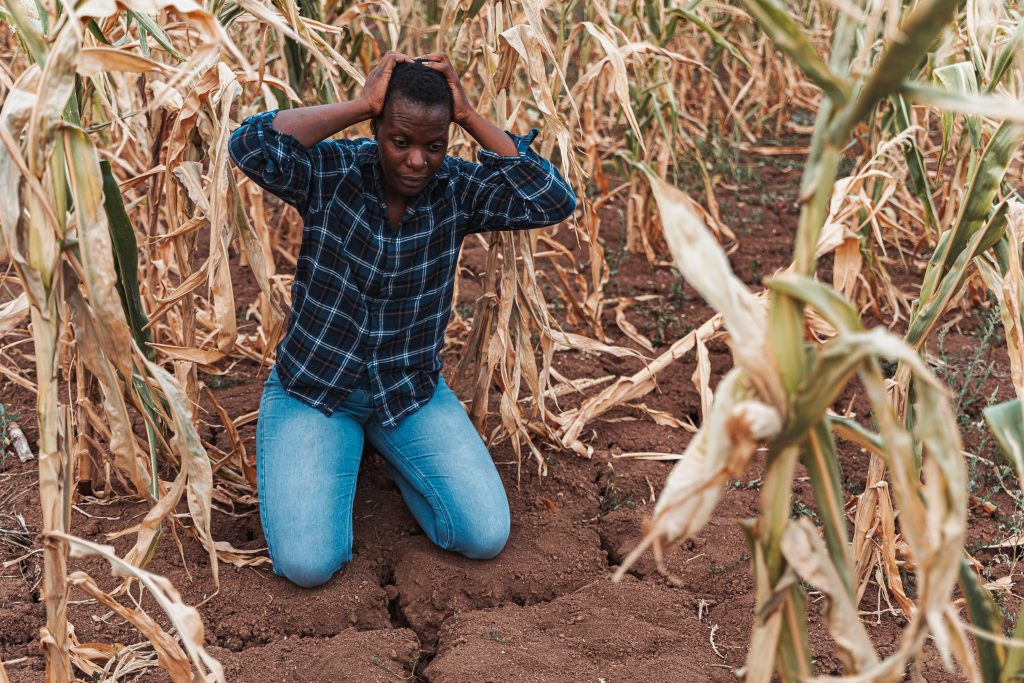
El Niño Has Entered the Economic Decision Cycle
On 2 June, the World Meteorological Organisation placed the probability of El Niño conditions during June–August at 80 percent and indicated that the event was likely to continue through at least November. El Niño conditions were formally established on 11 June as Pacific Ocean warming became coupled with changes in atmospheric circulation. By 9 July, the weekly temperature anomaly in the Niño-3.4 region had reached positive 1.2 degrees Celsius, while the Niño-1+2 region had reached positive 2.7 degrees Celsius. Twenty-three of 26 models assessed in July projected a very strong event at its October–December peak.
The updated probabilities have moved El Niño into the current economic planning cycle. Southern African producers are deciding how much land to plant and how much fertiliser, seed and credit to commit. Grain traders are assessing future regional demand and the probability of export controls. Electricity utilities in hydropower-dependent economies are reviewing generation assumptions. Governments are considering import requirements, strategic grain stocks and budget exposure. Humanitarian agencies are seeking financing before the most severe food-security effects become visible.
The term “super El Niño” has gained public and institutional use, although it is not a formal meteorological category. “Very strong El Niño” provides the more precise description. The event’s expected intensity raises the probability of severe rainfall and temperature anomalies, while local outcomes remain dependent on ocean conditions, rainfall timing, soil moisture, topography and national economic structures. The strength of the event therefore provides an indication of continental exposure without determining an identical outcome across regions.
The interaction between El Niño and the Indian Ocean Dipole will be central to East Africa. A positive Indian Ocean Dipole could strengthen October–December rainfall across the equatorial and eastern Greater Horn. In West Africa, Atlantic Ocean temperatures and regional monsoon dynamics may modify the Pacific signal. In Southern Africa, rainfall onset and dry-spell duration will be more important for production than the final seasonal average. The main continental risk is therefore a sequence of drought, heat, flood and market stress unfolding across different agricultural calendars.
Southern Africa Faces a Delayed Production and Balance-Sheet Shock
Southern Africa carries the clearest late-2026 agricultural exposure. Historical analysis by the Food and Agriculture Organisation places parts of Namibia and Botswana at agricultural drought probabilities above 50 percent during strong and very strong El Niño events. The broader zone of exposure extends across Angola, Zambia, Zimbabwe, South Africa, Mozambique, Malawi and Madagascar.
The critical period begins with rainfall onset between October and December 2026. Delayed rainfall could postpone planting and reduce the time available for crops to mature. A dry spell after germination could force replanting or reduce plant populations. Above-average temperatures would increase evaporation and soil-moisture loss, raising irrigation demand and reducing pasture quality. Maize systems are especially exposed because planting decisions are concentrated within a relatively narrow seasonal window.
Current regional grain conditions provide a meaningful buffer. South Africa’s maize harvest is estimated at approximately 17.3 million tonnes, compared with domestic consumption of roughly 12 million tonnes. Total summer grain and oilseed production stands near 21 million tonnes. Soil moisture and dam levels also benefited from rainfall through May 2026. These conditions give South Africa room to meet domestic demand and supply neighbouring markets during the early phase of the event.
The buffer is finite. Regional demand could rise quickly if Zambia, Zimbabwe, Malawi, Mozambique or Botswana experience weak harvest expectations. Commercial buyers may accelerate contracts before physical shortages emerge. State agencies may increase strategic procurement. Traders may raise risk margins if they expect export restrictions or currency weakness. A large South African surplus could therefore be drawn down more rapidly than domestic supply figures suggest.
The next planting season also exposes a tension between consumer protection and producer viability. Strong current harvests have reduced grain prices in parts of the region. Lower prices support food affordability, yet they weaken farm revenue at a time when fertiliser, fuel, seed, machinery and borrowing remain expensive. Producers with outstanding seasonal loans may reduce planted area or cut input use. Commercial banks may tighten lending standards as climate risk rises, while agricultural insurers and reinsurers may reassess coverage and pricing.
This creates a delayed balance-sheet shock. Food availability may remain stable through late 2026 while farmers enter the new season with weaker cash flow and higher production costs. A smaller planted area or lower fertiliser application could reduce output even where rainfall performs close to normal. The 2027 harvest will therefore reflect the interaction of climate conditions, commodity prices, farmer debt and access to finance.
Several Southern African economies also enter the event before fully recovering from the 2023–2024 drought. Zambia lost close to half of its maize crop during that episode, while Zimbabwe lost around 60 percent and South Africa approximately 21 percent. Many rural households depleted savings, sold livestock, reduced food consumption or accumulated debt. Another poor season would fall on households with fewer assets and a weaker capacity to finance recovery.
The Western Cape’s dry winter conditions demonstrate the need for careful attribution. The province experienced exceptionally weak rainfall during July, while intended winter-wheat planting fell to its smallest area since 1929. These conditions preceded the expected peak influence of El Niño on Southern Africa’s summer rainfall. They reflect a combination of local circulation, existing moisture conditions and longer-term climate pressure. El Niño will interact with these conditions during the coming months, increasing exposure across crop, livestock and water systems.
The Greater Horn Faces a Drought-to-Flood Sequence
The Greater Horn is entering a compressed sequence of climatic pressures. Rainfall from April through June was weak across large parts of Ethiopia, western Kenya, eastern South Sudan, southern Sudan, Uganda and western Eritrea. June rainfall was especially poor across several of these areas. The July–September outlook extends the dry signal across Djibouti, Ethiopia, Eritrea, western Kenya, South Sudan, Sudan and Uganda.
In Ethiopia, the Kiremt season supports the main Meher cereal harvest. Weak rainfall during crop establishment and development could reduce national cereal output and rural income. The effect would extend through grain markets, transport, milling and household purchasing power. Reliable national assessment remains constrained by gaps in food-security data, restricted access and uneven institutional reporting. Ethiopia’s exclusion from a major 2026 global food-crisis assessment because of insufficient comparable data shows how an emerging deterioration can remain under-recorded.
Pastoral areas face an earlier transmission. Reduced rainfall limits pasture regeneration and water availability, weakens livestock body condition and lowers milk production. Households may sell animals to purchase grain, increasing livestock supply in local markets and depressing prices. The livestock-to-cereal terms of trade can deteriorate before widespread animal mortality occurs. These effects are especially important in northern Kenya, southern and eastern Ethiopia, Somalia and parts of South Sudan.
The October–December outlook introduces a different set of risks. A positive Indian Ocean Dipole combined with El Niño could produce above-average rainfall across Somalia, southern and coastal Kenya, Uganda, Burundi and parts of Ethiopia and South Sudan. The consequences will vary by location. Rainfall could improve pasture, replenish water sources and support crop production in some districts. Intense rainfall could trigger river flooding, flash floods, crop damage, road disruption, displacement and disease in others.
Somalia illustrates the limits of seasonal averages. The country can face broad drought conditions and localised flooding within the same period. Flash floods in parts of the Banadir region affected more than 10,600 people in June, while wider rainfall deficits continued. Flooding can destroy homes, roads and stored food without resolving regional pasture and water shortages.
Somalia’s 2023 anticipatory response provides an incomplete guide to 2026. Approximately USD 24 million was mobilised ahead of the 2023 floods, and recorded deaths were far lower than during the 1997 event. The comparison is weakened by differences in flood intensity, geography and population exposure. A stronger combination of El Niño and a positive Indian Ocean Dipole could create a wider hazard zone during late 2026. Forecasting systems have improved, while transport, evacuation, health and humanitarian delivery systems remain uneven.
Kenya faces similarly varied outcomes. Intense urban rainfall can overwhelm drainage systems even where seasonal totals support agriculture. Rural production can benefit from improved rainfall while roads, informal settlements and public-health systems experience severe disruption. National rainfall averages will therefore provide limited insight into the distribution of losses.
The drought-to-flood sequence also leaves little recovery time. Livestock weakened by dry conditions may become more vulnerable to disease during heavy rainfall. Roads damaged by flooding may interrupt food distribution as household stocks decline. Water contamination and malaria exposure can raise health costs at the same time as agricultural income weakens. The regional outcome will emerge from the interaction of two consecutive hazards across the same households and public systems.
West Africa and the Sahel Face a Weaker and Less Predictable Season
The West African and Sahelian outlook deteriorated during July. The Agriculture, Hydrology and Meteorology Regional Centre revised its earlier assessment on 30 July, identifying a stronger tendency towards rainfall deficits across parts of the region. Rapid Pacific warming and mixed Atlantic Ocean conditions contributed to the weaker outlook.
The regional forecast remains less stable than the Southern African signal. Climate models have difficulty reproducing the relationship between El Niño and the West African monsoon. Tropical Atlantic temperatures, Mediterranean conditions, land–atmosphere feedbacks and local circulation can strengthen or weaken the Pacific influence. The result is a higher probability of adverse rainfall conditions without a uniform regional outcome.
The timing and distribution of rainfall will determine agricultural performance. A season can finish close to its long-term average while producing weak yields if planting is delayed, a prolonged dry spell follows germination, or moisture stress occurs during flowering and grain formation. Heavy rainfall near harvest can damage crops and storage even where earlier rainfall was weak. Local flooding can therefore coexist with a broadly below-average season.
Burkina Faso, Mali and Mauritania face particular exposure through the interaction of rainfall stress, pastoral mobility and insecurity. Water and pasture shortages may increase livestock movement and pressure on grazing routes. Insecurity can restrict access to farmland, markets, veterinary services and seasonal migration corridors. A modest rainfall deficit can therefore produce a larger livelihood effect in districts where households already face displacement and market isolation.
The World Food Programme projects that West and Central Africa could account for nearly six million additional cases of acute food insecurity under the 2026–2027 El Niño scenario. The final distribution will depend on crop performance, local prices, cross-border trade and the ability of conflict-affected communities to access land and markets.
Regional Food Availability Will Not Ensure Affordable Access
The global cereal balance offers some protection against an international supply shock. The Food and Agriculture Organisation forecasts 2026 cereal production at approximately 2.983 billion tonnes, close to the record 2025 harvest. Global cereal stocks are projected at about 957.8 million tonnes, with a stock-to-use ratio near 32 percent. International wheat prices fell by approximately 4.4 percent in June, while maize prices declined by around 6.2 percent.
These global conditions reduce the probability that African food insecurity will be driven by a general international shortage. Domestic and regional market structures will shape the African outcome. Production losses, weak currencies, high transport costs, border restrictions, storage limitations and market concentration can prevent international price relief from reaching consumers.
June wholesale maize prices reveal wide regional divergence. Maize traded at approximately USD 378 per tonne in the Nairobi market, USD 352 in Uganda and USD 348 in Zimbabwe. Prices stood near USD 233 in Zambia, USD 196 in South Africa and USD 174 in Malawi. The difference between the Nairobi and South African markets exceeded USD 180 per tonne.
Transport costs explain only part of this spread. Border procedures, informal charges, exchange-rate movements, limited storage, concentrated trading and milling markets, uncertainty over export policy and the cost of financing inventories all influence the final price. Grain can be available within the region while remaining unaffordable in high-cost or isolated markets.
Malawi demonstrates the value and fragility of regional supply. Maize prices stabilised in central and southern Malawi and declined in the north during June, supported by imports from Mozambique and Zambia. This flow reduces immediate pressure on consumers. Malawi remains exposed to production losses, export controls or strategic purchases in neighbouring countries. A regional policy change can therefore affect domestic prices before Malawi’s own harvest position changes.
Smallholder marketing patterns add another layer of vulnerability. Many farmers sell maize after harvest when prices are low to meet immediate cash needs. The same households may return to the market during the lean season and purchase maize at higher prices. A strong national harvest can therefore coexist with household food insecurity. El Niño would intensify this cycle if production, income or market access deteriorates.
Physical access also shapes food security. Flooded roads, damaged bridges and isolated settlements can create severe local scarcity without changing the national cereal balance. Pastoral communities may face long distances to functioning markets, while traders may withdraw from insecure or low-volume routes. A national surplus provides limited protection where local market networks fail.
Input Prices and Agricultural Credit Could Amplify Crop Losses
Fertiliser prices reveal a second form of weak market transmission. World urea prices stood near USD 450 per tonne, while reported prices reached approximately USD 1,280 in South Africa, USD 1,082 in Kenya and USD 843 in Uganda. African producers therefore face input prices well above international benchmarks.
Import dependence, transport costs, currency weakness, domestic distribution structures, financing expenses and market concentration contribute to the difference. Global price declines have passed into African markets slowly and unevenly. Farmers may respond by reducing fertiliser application, choosing lower-input crops, planting less land or increasing debt.
These decisions will shape the 2027 harvest before rainfall outcomes are fully known. A farmer who reduces fertiliser use because of high costs may experience a yield decline even under acceptable rainfall. A farmer who delays planting while waiting for credit may miss the optimal planting window. Climate forecasts, input prices and credit conditions therefore interact within the same production decision.
Low grain prices create additional pressure. Current surpluses support consumers, yet they weaken revenue for farmers entering a high-cost season. Producers may struggle to repay seasonal loans or obtain new facilities. Banks may reduce exposure to rainfed agriculture, demand more collateral or shorten lending periods. Smallholders without formal credit may rely on traders, input suppliers or informal lenders at high cost.
Agricultural insurers face correlated risk across large geographical areas. A severe regional drought could generate concentrated claims across crop, livestock and infrastructure portfolios. Higher premiums or reduced coverage would further increase producer exposure. Banks, insurers and grain off-takers may therefore register stress before official harvest estimates confirm a production decline.
Food Stress Will Spread Through Energy Systems and Public Finances
The fiscal impact will extend beyond emergency agricultural support. Lower crop production can reduce agricultural exports, rural demand, processing activity, transport revenue and tax receipts. Governments may face higher expenditure on food imports, subsidies, social transfers, school feeding, nutrition programmes, health services and infrastructure repair.
Exchange-rate conditions will shape these costs. A government importing grain with a weakening currency can face a rising domestic bill even if international prices remain stable. Currency pressure can also raise fertiliser, fuel and machinery costs, contributing to a second-round production effect. Food-price inflation may then influence wage demands and interest-rate decisions.
Zambia and Zimbabwe face a direct link between rainfall, hydropower, mining and public finance. Reduced reservoir inflows can lower electricity generation and increase reliance on imports or higher-cost emergency generation. Power shortages can disrupt mining, irrigation, manufacturing, agro-processing and household supply.
In Zambia, weaker mining output would reduce export receipts, company taxes and mineral royalties. Electricity imports and utility support would place additional pressure on the budget and foreign-exchange reserves. Agricultural losses would increase food-import requirements at the same time as mining-related revenue weakens. These channels could reinforce one another during 2027.
Zimbabwe faces a similar connection between hydropower, mining, agriculture and manufacturing. Electricity shortages can raise production costs across the economy and weaken the capacity of mills, cold-storage facilities, irrigation schemes and transport systems to support food supply. Currency instability could amplify imported food and energy costs.
The African Development Bank estimates aggregate African losses of between USD 10 billion and USD 20 billion, with heavily affected economies facing output reductions of one to two percent of gross domestic product. The estimate indicates possible scale, while the allocation across countries remains uncertain. The final impact will depend on rainfall, economic structure, electricity exposure, exchange rates, debt conditions and the capacity of governments to redirect spending.
Financial institutions also face exposure through agricultural loans, infrastructure assets, public utilities and sovereign debt. Borrowers may seek restructuring as crop revenue declines. Banks financing irrigation, roads, storage, power systems or commercial farms may face weaker asset quality. Public utilities may accumulate losses that shift onto government balance sheets. Governments with limited fiscal space may finance emergency expenditure through additional borrowing, arrears or cuts to existing development programmes.
Regional Trade Will Determine the Distribution of the Shock
Regional trade is the main mechanism through which surplus production can offset national harvest failures. South Africa, Tanzania, Zambia and Mozambique play important roles in supplying neighbouring markets. Their export capacity will influence food prices across Southern and Eastern Africa during 2027.
The system remains concentrated. A poor harvest in one major supplier can affect several importing countries. A strong harvest may still provide limited relief if governments impose export restrictions, state agencies purchase large volumes, traders face financing constraints or transport routes are disrupted.
Expectations can move markets before physical scarcity appears. Traders may hold inventories if they expect future price increases or government controls. Millers may secure supplies early. Governments may expand strategic reserves. Import-dependent countries may enter forward contracts. These actions can tighten the spot market and raise prices during a period of adequate aggregate supply.
Export restrictions present a particular regional risk. Governments often face domestic pressure to protect consumers during periods of uncertainty. Uncoordinated controls can shift pressure onto neighbouring states, increase informal trade and reduce confidence in regional contracts. The possibility of intervention may also raise financing costs and reduce trader willingness to commit grain across borders.
Regional institutions therefore face an economic interdependence test. The African Continental Free Trade Area, regional economic communities and national grain agencies operate within a market where food-security decisions carry cross-border effects. Transparent stock data, predictable trade rules and credible information on export availability will influence whether local production losses remain contained or spread through regional prices.
The Humanitarian Impact Will Be Delayed and Unevenly Recorded
The World Food Programme estimates that acute food insecurity across 45 vulnerable countries could rise from approximately 225 million people to 274 million by the end of 2027. The projected increase of at least 49 million reflects the lag between climatic conditions and household food consumption.
The first effects appear through planting losses, livestock stress, flood damage and reduced income. Households then draw down food stocks, increase debt, sell productive assets, reduce meal size or remove children from school. Malnutrition and displacement rise as the lean season approaches. The largest human impact may therefore emerge months after El Niño reaches its oceanic peak.
East and Southern Africa account for more than 18 million of the projected additional cases, representing an increase of approximately 26 percent across the assessed countries. West and Central Africa account for nearly six million additional cases, an increase of around 12 percent.
These figures are scenario estimates based on historical outcomes, existing food-security conditions and expert judgement. They exclude countries where data are insufficient. Conflict, access restrictions, weak meteorological networks and delayed crop assessments can leave the most exposed populations underrepresented.
Ethiopia’s data gap is especially important. The country faces rainfall stress across major production and pastoral areas, while incomplete and incomparable information limits its inclusion in global assessments. Conditions in northern Ethiopia are also shaped by conflict damage, displacement, disrupted farming systems and weakened public services.
Humanitarian financing remains below identified need. The Food and Agriculture Organisation and the World Food Programme launched a joint anticipatory-action appeal for USD 202 million to support 8.8 million people in 22 high-risk countries. Twelve priority countries are in Africa: Cameroon, Ethiopia, Kenya, Madagascar, Malawi, Mozambique, Nigeria, Somalia, South Sudan, Sudan, Uganda and Zimbabwe. Initial arrangements covered approximately 1.2 million people.
Existing humanitarian plans entered the El Niño period with large shortfalls. Somalia had received about 21 percent of its required funding by 10 July. South Sudan had received approximately 36.2 percent, Sudan 27.2 percent and the Democratic Republic of the Congo 53.9 percent. These gaps limit the ability of agencies to expand operations as climate-related needs rise.
Outlook
The first decisive indicator will be Ethiopia’s Kiremt crop performance during August and September 2026. Weak yields would increase cereal demand across the northern Greater Horn before the October–December flood season begins. The strength of the Indian Ocean Dipole will then determine whether equatorial East Africa receives broadly beneficial rainfall or concentrated flooding that damages roads, settlements and food systems.
Southern Africa will become the central fiscal theatre from October onward. Rainfall onset, planted area, fertiliser purchases and seasonal credit will indicate whether current grain stocks are bridging the region into a manageable 2027 harvest or concealing a deeper production decline. South Africa’s exportable surplus will provide the main regional buffer. Its protective value will depend on domestic planting decisions, regional purchasing pressure and the continuity of cross-border trade.
Maize-price spreads will provide an earlier warning than continental production estimates. A widening gap between South African, Zambian, Kenyan, Ugandan and Zimbabwean markets would indicate that trade, currency and financing constraints are overwhelming aggregate supply. Export restrictions or large state purchases would accelerate that divergence.
Hydropower levels in Zambia and Zimbabwe will determine whether the agricultural shock develops into a broader macroeconomic contraction. Lower generation would raise electricity costs, weaken mining and manufacturing, reduce fiscal revenue and increase import demand. These effects would place pressure on currencies and reinforce food-price inflation.
The most probable trajectory is a stable global cereal market alongside widening local food-access crises in selected African economies. A general continental grain shortage remains unlikely while South Africa, Tanzania, Zambia and other producers retain exportable supply. Severe pressure is likely to concentrate in countries where weak currencies, costly inputs, electricity shortages, restricted market access and limited fiscal space converge. The sharpest food-security and budget effects will emerge during 2027, after public attention has begun to move away from the climatic peak.