
22nd October 2026
Executive Summary
Failing public services across African cities have created profitable markets for contractors, criminal networks and politically connected intermediaries. Some beneficiaries have gained influence over public contracts, institutional appointments, and enforcement, allowing them to protect income from recurring shortages and weak governance. These arrangements can make urban dysfunction politically and commercially self-sustaining, diverting public resources while imposing higher costs on residents and businesses. Restoring effective services increasingly depends on confronting the interests embedded in municipal institutions and reclaiming public authority over urban resources.
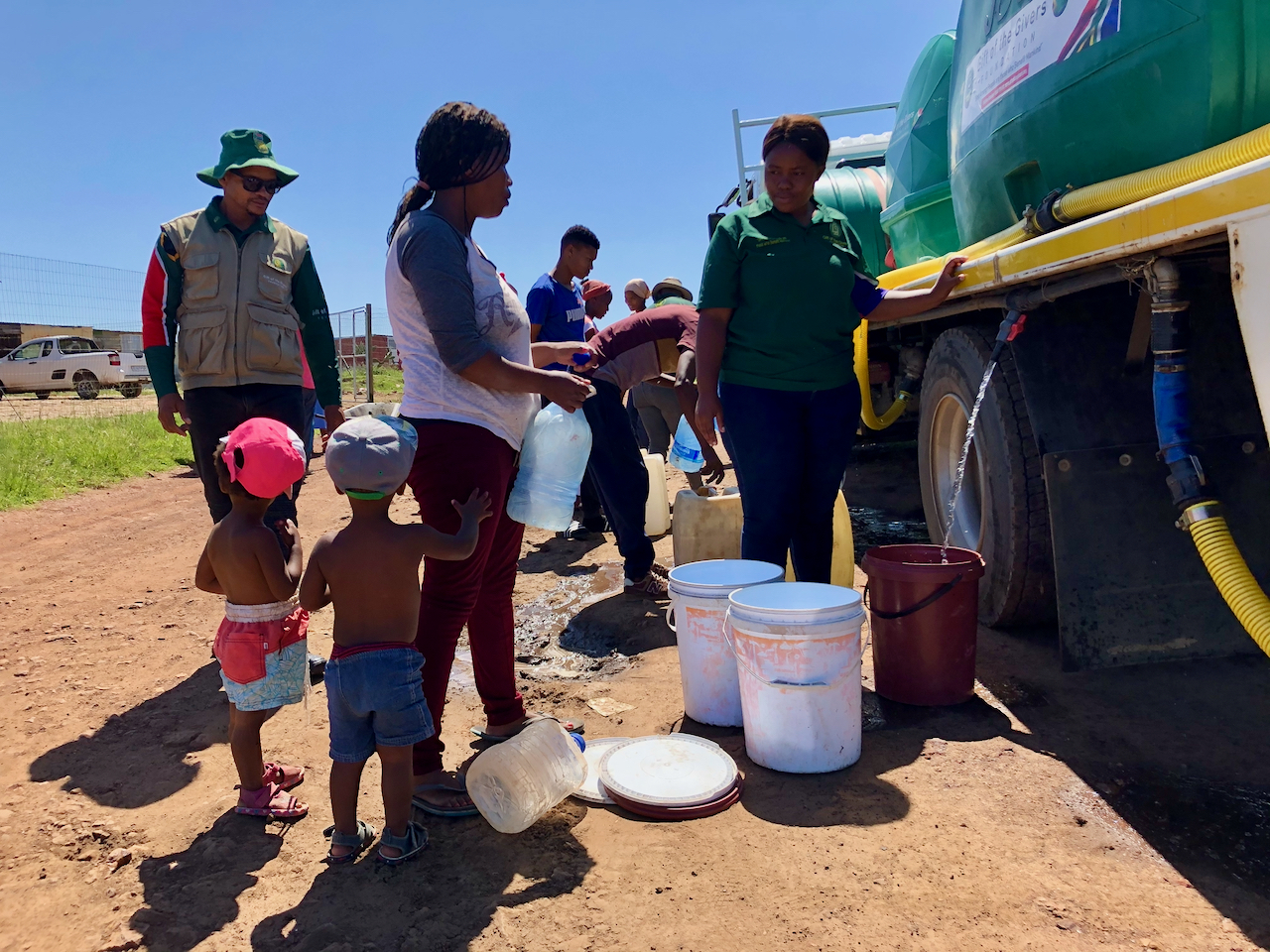
Across several African cities, deteriorating public services have created profitable markets for private contractors, informal intermediaries, and politically connected businesses. An investigation published on 6 October 2026 into Johannesburg’s municipal institutions exposed how recurring infrastructure failures have generated commercial opportunities involving emergency water supply, construction contracts, property administration and electricity infrastructure. Over five years, the City of Johannesburg spent about USD 40 million on water tankers, while a disputed contract worth roughly USD 16 million continued operating despite a court finding that its award was invalid. The investigation identified relationships between municipal officials, contractors and criminal actors that have influenced access to public resources and oversight. Its findings expose a deeper institutional problem: some beneficiaries of failing services have acquired influence over the decisions and spending intended to restore them.
Similar relationships have developed across African urban economies, although their structures and levels of criminal involvement differ. Informal collectors extract payments from commercial transport in Nigeria, water suppliers exercise considerable pricing power in underserved Kenyan communities, and long-term waste-management contracts have generated political disputes in Ghana and Zimbabwe. These activities operate within urban economies where public institutions control valuable contracts, licences, infrastructure and access to services. Commercial beneficiaries can obtain financial advantages through shortages, weak procurement and discretionary administrative decisions. Their relationships with public officials can then influence whether they challenge or preserve those arrangements. As African cities expand and governments face growing pressure to improve infrastructure, control over public-service spending and access to urban resources is becoming an increasingly important source of economic and political power.
Profiting from failing public services
The commercial value of urban dysfunction begins with the scarcity of essential services. Inadequate water connections, unreliable electricity and irregular waste collection create demand for alternative providers, particularly in communities where public infrastructure has failed to keep pace with population growth. Research into Nairobi’s low-income settlements found that piped water infrastructure covered approximately 20 percent of the areas examined, leaving many households dependent on informal distributors and vendors. Some suppliers have charged up to ten times official utility tariffs, reflecting the pricing power available when consumers have few alternatives. These businesses meet genuine needs, but fragmented distribution networks and weak oversight can let individual providers dominate specific neighbourhoods. When access to water depends on intermediaries with relationships inside utilities or local administrations, controlling supply becomes a commercially valuable position. Allegations of illegal connections and interference with distribution show how that position can be exploited, even as many informal vendors continue to provide essential services legitimately.
Johannesburg shows how these conditions can develop into substantial markets directly financed by government. Recurring water interruptions have increased the municipality’s reliance on private tanker operators, with approximately 60 vehicles deployed daily to affected communities. Municipal evidence indicates that informal settlements account for most tanker services, reflecting the extent of dependence on emergency provision. The financial consequences have grown increasingly important as recurring shortages sustain demand for contractors. An investigation into a three-year arrangement worth approximately USD 16 million awarded to Builtpro Construction and Nutinox raised concerns about overlapping business relationships, tender evaluations, and the companies’ capacity. In December 2025, the High Court ruled the tender invalid because the procurement process had expired before the award. Appeal proceedings subsequently allowed services to continue, illustrating the difficulties of interrupting disputed contracts when authorities remain dependent on the suppliers involved. The municipality’s obligation to maintain access to water consequently strengthened the practical position of contractors operating under an arrangement whose procurement had already been successfully challenged.
Emergency contracting becomes particularly vulnerable when authorities extend temporary arrangements through successive periods of infrastructure failure. Municipal authorities face immediate political and public-health pressure to restore services, while contractors can learn administrative procedures, delivery routes, and which officials approve expenditure. Repeated procurement can give established suppliers advantages over potential competitors, especially when contract variations and extensions receive limited independent scrutiny. In Johannesburg, allegations of partial deliveries, inflated charges, and deliberate interference with water infrastructure have raised questions about the incentives behind emergency supply. Several claims of intentional sabotage remain uncorroborated, while the procurement irregularities and the municipality’s reliance on expensive alternatives are documented. The underlying commercial relationship is nonetheless clear: recurring failures generate expenditure that can provide suppliers with predictable income. When companies gain political protection or influence over procurement, incentives to restore permanent infrastructure can conflict with the benefits of maintaining emergency arrangements.
Waste management demonstrates how commercial dependence can extend beyond immediate emergencies into long-term public-service programmes. In Ghana, investigations into Zoomlion Ghana Limited’s street-sweeping arrangements with the Youth Employment Agency revealed that workers received approximately 29 percent of the monthly allocation made for each position under the final contract, with the remainder retained by the company for management and associated costs. The arrangement had supported a large public employment programme and generated recurring payments to an established contractor. Its financial structure later became the subject of political and public scrutiny, particularly over worker remuneration, administrative costs, and the value the government received. The agreement expired in September 2024, and President John Dramani Mahama’s administration confirmed in June 2025 that it would not be renewed. The decision exposed how public programmes can develop commercial arrangements that become difficult to change because contractors, beneficiaries and government institutions have acquired interests in their continuation. It also demonstrated that established contracts can be challenged when political authorities are prepared to reconsider their financial and institutional foundations.
Zimbabwe’s waste-management arrangements reveal the longer-term implications of outsourcing essential services through major concessions. The Geo Pomona project involved a reported 30-year arrangement for Harare’s waste-disposal infrastructure, including payments of about USD 40 per tonne of waste delivered. A separate agreement examined in 2025 reportedly envisaged payments of approximately USD 2.7 million monthly for refuse collection and street cleaning, implying commitments of at least USD 162 million over five years. The Zimbabwean government has defended the arrangements as part of efforts to modernise waste services and attract private investment. However, disputes involving the City of Harare, national authorities and the contractor have raised questions about procurement, payment responsibilities and municipal control. Such contracts can lock public institutions into long periods of commercial dependence while limiting their ability to revise services or introduce alternative providers. Their economic importance grows when the contractor controls infrastructure municipalities cannot easily replace. The wider pattern is the consolidation of commercial power around essential services whose reliability remains a public responsibility.
Informal taxation of urban economies
Beyond formal procurement, control over urban infrastructure has created opportunities for informal taxation and coercive revenue collection. Nigeria’s transport sector provides one of the clearest examples. In Lagos, networks linked to transport unions and agberos, commonly described as transport touts, have built considerable influence over motor parks, routes, and commercial drivers. Their authority rests partly on the ability to regulate access, organise operators and enforce payments. Longstanding relationships between transport organisations and political actors have helped institutionalise arrangements through which private intermediaries exercise practical control over public-facing facilities. Government efforts to consolidate transport levies have struggled to eliminate unofficial collections, reflecting the economic interests attached to existing arrangements. Drivers may hold the required licences yet still face extra payments at terminals or along their routes. These collections create recurring income for intermediaries while making participation in the transport economy dependent on networks whose authority can extend beyond formal licensing arrangements.
The financial burden extends through urban supply chains. A September 2026 investigation into food transportation across southwestern Nigeria documented repeated levies collected from drivers moving agricultural produce towards major consumer markets. Transporters described payments imposed by unions, roadside collectors and other intermediaries, sometimes involving multiple charges under similar descriptions. Some reported paying more than the amounts indicated on official tickets. Drivers incorporated these expenses into transport charges, transferring part of the burden to traders and consumers. These costs can affect food prices independently of fuel expenses, distance, or legitimate logistics charges. Informal collectors consequently obtain income from economic activity that depends on access to public roads and distribution facilities. When collectors have relationships with local officials or transport organisations, they can entrench their ability to impose payments. The persistence of these arrangements illustrates how authority over movement and market access can function as an informal revenue system, with households ultimately absorbing part of the cost.
Construction extortion exposes a more coercive form of control over urban development. Groups operating as local business forums have repeatedly demanded payments, employment opportunities or subcontracting arrangements from companies undertaking infrastructure projects in South Africa. Demands have sometimes reached 30 percent of contract values, while threats and violence have delayed public housing, transport and other developments. Some groups invoke requirements for local economic participation to justify their involvement, exploiting legitimate community expectations concerning employment and subcontracting. The resulting pressure can compel contractors to negotiate with intermediaries who can disrupt sites, even when those intermediaries have no lawful authority over the project. Contractors may raise prices to cover such payments, delay work, or withdraw from affected areas. Criminal networks can thereby extract revenue from public investment before infrastructure is delivered. Their influence becomes more durable when project officials tolerate coercive arrangements or rely on local intermediaries to maintain access to construction sites.
Control over urban property and informal settlements creates another source of economic and political authority. Investigations in Johannesburg have documented alleged fraudulent property transfers involving forged ownership records, disputed inheritances, and suspected participation by municipal insiders. Criminal landlords can profit from unlawful rent collection, while residents face considerable difficulty challenging their control. However, the wider housing crisis involves many households occupying unsafe or deteriorating buildings because affordable alternatives are unavailable. The Khampepe Commission found that alleged rent collection by non-owners affected only 5.74 percent of properties within its assessment, exposing the limitations of treating distressed buildings as a single criminal category. Freetown presents a related governance problem, with informal leaders and local gatekeepers influencing access to services, land, and community representation. Some perform important functions in areas underserved by government. Others can exploit residents’ dependence through payments, preferential treatment or demands for political loyalty. These examples demonstrate how control over access to urban resources can generate authority outside ordinary public institutions.
The political importance of these arrangements lies in their ability to impose obligations on people engaged in legitimate economic activity. A transport collector determines whether a vehicle operates, an extortion group influences whether construction proceeds, and an unlawful landlord can control access to accommodation. They can maintain such authority through intimidation, social relationships, or connections with public officials. Municipal enforcement personnel are particularly important because their powers can provide access to information, protection against investigation or opportunities to obstruct competitors. Investigations into Johannesburg’s Metropolitan Police Department (JMPD) have raised allegations of relationships between individual officers and criminal networks, illustrating the risks of compromised enforcement. These relationships can weaken the government’s practical authority while preserving the appearance of formal regulation. Residents and businesses may continue meeting their legal obligations while also paying intermediaries whose influence determines whether they can use public infrastructure. This fragmentation lets private and criminal actors control parts of urban economic life.
Control of municipal resources
Inadequate services generate commercial benefits that become especially hard to challenge when they intersect with political patronage. African municipal governments control valuable contracts, land, infrastructure, and public employment. These resources can create economic opportunities for businesses that maintain relationships with elected representatives, senior administrators, and party structures. Research across African cities identifies protected commercial relationships in construction, property, and utilities, where politically connected firms can access opportunities more reliably than ordinary businesses. Such advantages may arise through preferential procurement, discretionary approvals or control over information concerning public projects. The political consequences extend beyond a contractor’s immediate financial benefit. Commercial beneficiaries can build relationships with officials who make future decisions, while political actors gain influence by allocating economic opportunities. These relationships can become particularly powerful in municipalities with limited revenue, weak procurement capacity and intense competition over public resources.
Johannesburg’s procurement system provides clear evidence of these opportunities. Contracted services expenditure reached approximately USD 425 million during the 2024/25 financial year, while the Auditor-General of South Africa (AGSA) identified procurement deviations worth approximately USD 22 million. These totals reflect public expenditure and procurement findings, including legitimate contracts, and are distinct from proven losses due to corruption. Investigators nevertheless identified vulnerabilities involving contract specifications, bidding information, quotation processes and subcontracting chains. Favoured suppliers can benefit when officials manipulate procurement decisions or allow inflated contract values, while intermediaries receive portions of public expenditure before work reaches the businesses responsible for delivery. Multiple layers of subcontracting can reduce the resources available for actual services and weaken accountability for poor performance. These arrangements are especially hard to scrutinise when beneficial ownership, payment records, and performance information remain inaccessible. Public procurement can therefore become a channel through which established relationships influence both contract allocation and the resources ultimately available for infrastructure.
The political significance increases when contract income supports wider networks of influence. Contractors benefiting from municipal spending may be incentivised to cultivate political relationships, finance organisational activities, or support individuals seeking public office. Political actors can use access to contracts and employment opportunities to maintain relationships with supporters and influential intermediaries. Investigations in Johannesburg have identified allegations linking procurement beneficiaries to political activities, along with documented cases involving companies associated with public officials. Individual claims of political financing require separate verification, but the underlying incentive is substantial. Public contracts can generate resources that sustain relationships across business and politics, especially where competitive procurement and financial disclosures are weak. Johannesburg’s repeated coalition changes have created additional opportunities to contest boards, senior appointments, and control of municipal entities. Political bargaining over these positions can influence who directs procurement and how investigations involving connected actors proceed. The distribution of municipal authority thereby becomes connected to the distribution of commercial opportunities.
The Ghanaian sanitation dispute demonstrates both the political protection that established contracts can acquire and the possibility of changing those arrangements. Parliamentary representatives initially defended continuing Zoomlion’s street-sweeping programme, emphasising employment and service delivery despite concerns about its financial structure. The government later allowed the agreement to expire after sustained investigation and public criticism. The competing positions reflected the difficulty of restructuring a programme with established administrative responsibilities, commercial beneficiaries and workers dependent on its continuation. Ending such an arrangement can create political costs even when the government expects improvements in value for money. Contractors may possess institutional knowledge, established delivery networks and relationships that alternative providers would need time to develop. At the same time, the programme’s social objectives can be used to defend financial arrangements whose benefit distribution deserves scrutiny. The Ghanaian case shows how public contracting can become a matter of political negotiation, with reform depending on elected authorities’ willingness to confront established interests and manage the consequences of change.
The distribution of power between national and municipal governments adds another layer to these relationships. Harare’s waste-management agreements show how national political institutions can shape commercial arrangements that affect an opposition-led city administration. Zimbabwe’s Ministry of Local Government and Public Works’ involvement in the Geo Pomona arrangements generated disputes over the city’s authority, financial obligations, and responsibility for implementation. Similar tensions arise where national governments determine mayoral appointments or retain control over major urban financing decisions. In Ghana, national political authorities exert substantial influence over metropolitan leadership, while research in Sierra Leone identifies constraints stemming from competition between central and municipal institutions. These arrangements let actors above the city level influence the allocation of local resources. They can also distribute accountability across several institutions, making it difficult for residents to determine who authorised particular commitments and who is responsible for their results. Contractual obligations may survive changes in municipal leadership, preserving beneficiaries’ commercial positions across successive administrations.
These relationships help explain why urban governance reforms can prove difficult to sustain. Political leadership may change through elections, coalition agreements or administrative restructuring, while established contractors, informal revenue networks and procurement intermediaries retain their economic positions. A new administration can inherit contractual commitments, appointments and relationships that limit its discretion over public spending. Businesses benefiting from these arrangements may resist changes that introduce competition or reduce access to municipal resources, especially when they can appeal to political allies or threaten to disrupt essential services. The resulting system can reproduce itself through ordinary administrative decisions, without requiring a single actor to direct all its activities. The central political contest concerns who controls the institutions allocating public resources and whether those institutions operate according to public priorities or established patronage relationships. When contract income and political influence reinforce each other, improving services becomes inseparable from shifting power within urban governance.
Institutional capture and the protection of commercial interests
The durability of these arrangements depends heavily on the institutions that investigate misconduct and enforce public rules. Johannesburg’s Group Forensics and Investigation Services (GFIS) provides a particularly revealing example. Established in 2016, the municipal unit investigated more than 6,000 matters involving transactions valued at approximately USD 2 billion. The total represents expenditure and transactions examined, including matters that did not result in proven wrongdoing. In June 2023, the City Council adopted a report declaring previous GFIS investigations and findings unlawful and invalid, while investigative authority was transferred to the city manager. These decisions weakened the continuity of an institution responsible for examining alleged corruption inside the municipality. They also showed how municipal oversight is vulnerable when its powers depend on the same political structures whose decisions it may investigate. An internal forensic unit can possess technical expertise and extensive evidence yet struggle to sustain investigations when political changes affect its mandate, staffing or authority.
Control over senior appointments and municipal boards creates further opportunities to influence accountability. Johannesburg’s municipal entities manage water, electricity, transport, property, and waste management, with management structures responsible for major procurement and operational decisions. Political representatives influence board and executive appointments and oversight, while changes in governing coalitions can affect their continuity. These powers are legitimate parts of public administration, but they become vulnerable when political loyalty shapes appointments or investigations involving connected individuals. Officials who control procurement records, financial approvals and disciplinary processes can determine how quickly misconduct is identified and whether cases reach external investigative authorities. Repeated leadership changes can disrupt inquiries that require sustained access to documents and witness cooperation. As a result, commercial networks may preserve their positions through relationships with individuals who exercise administrative authority, even when political parties or municipal executives change. Institutional independence becomes especially important when corruption investigations concern contract allocation and appointments within the same public bodies.
Infrastructure theft illustrates how criminal activity interacts with the institutions responsible for service restoration. Johannesburg’s City Power recorded 652 incidents of cable theft and vandalism between July 2025 and January 2026, contributing to electricity interruptions and additional repair costs. Investigations have implicated individual employees, contractors, and security personnel in theft-related misconduct, showing the risks when people with legitimate access exploit municipal assets. Criminal income can arise from selling stolen material through recycling networks, while repeated damage increases the demand for publicly funded repairs. South Africa has also recorded cases of deliberate interference with electricity infrastructure to create maintenance opportunities, including a conviction involving an Eskom employee at Camden Power Station. Allegations of comparable sabotage-for-contract arrangements in Johannesburg have not been established to the same evidentiary standard. The documented combination of insider theft, recurring repair expenditure and compromised access controls nevertheless exposes a serious institutional vulnerability. Public authorities can suffer repeated financial losses when those responsible for protecting infrastructure participate in the activities that cause its deterioration.
Municipal enforcement presents a related problem because criminal groups can benefit from officials who exercise public power and provide protection or cooperation. Officers responsible for policing, inspections, and municipal compliance hold information and authority that property fraud networks, extortion groups, and infrastructure thieves can exploit. Allegations involving individual JMPD officers have raised concerns about the effectiveness of internal supervision and the relationships between enforcement personnel and organised crime. Investigators and whistleblowers can face intimidation when inquiries threaten established commercial interests. The killing of Johannesburg forensic investigator Zenzele Sithole in July 2024 further exposed the security concerns surrounding municipal investigative work, although the connection between his death and particular investigations remains disputed. These risks can discourage witnesses, disrupt inquiries, and increase reliance on internal structures vulnerable to political interference. Where disciplinary action and criminal prosecution are inconsistent, networks can replace individual participants while preserving their wider operations. Effective accountability therefore depends on the ability to investigate financial beneficiaries and institutional protection, alongside the individuals directly involved in offences.
The wider governance problem is that reform programmes can be implemented through institutions whose existing arrangements contribute to the problem. New procurement rules may be ineffective when officials retain discretion over supplier selection and contract variations. Additional infrastructure financing can expand the resources available for extraction if service delivery remains poorly monitored. Administrative restructuring can create new appointments while leaving established patronage relationships intact. The consequences become particularly serious during emergencies, when authorities face pressure to act quickly, and contractors may possess greater operational capacity than municipal departments. Johannesburg’s water procurement, Harare’s contested waste agreements and the persistence of informal levies in Lagos demonstrate how attempts to change established arrangements can encounter institutional and commercial resistance. Authorities’ ability to restore services therefore depends on credible enforcement, independent oversight, and political support for decisions that may threaten influential beneficiaries. Without those conditions, recurring public spending can sustain relationships tied to municipal deterioration.
The costs of entrenched urban dysfunction
These arrangements distribute costs unevenly across African societies. Residents of underserved communities frequently pay more for services because they lack access to reliable public infrastructure. In Nairobi, households that depend on informal water suppliers have paid prices many times higher than formal utility tariffs. In Johannesburg, communities experiencing water interruptions rely on emergency distribution, often without control over delivery schedules or the companies receiving public payments. Informal settlements face particularly limited alternatives because residents may lack legal connections, storage capacity and resources to purchase private infrastructure. As a result, these costs absorb household income that could support food, education, healthcare, and other essential needs. Where intermediaries control supply, residents can also become dependent on personal relationships or local gatekeepers. Public-service deficiencies therefore shift economic power within communities, giving suppliers and intermediaries influence over resources needed for everyday life.
Urban businesses face similar pressures through transport charges, unreliable infrastructure, and coercive demands. Informal collections by commercial vehicles in Nigeria increase the cost of moving passengers and agricultural products, while construction extortion raises costs and delays public and private development. Small enterprises are especially exposed because they have limited capacity to absorb additional charges, secure alternative infrastructure, or challenge powerful intermediaries. Businesses with established political connections may secure preferential access to land, permits and public contracts, creating advantages unrelated to operational performance. The resulting conditions weaken competition and make investment less predictable. These effects extend into employment and consumer prices as firms incorporate additional costs into their operations or reduce activity in affected markets. African cities depend on productive businesses, transport systems and functioning infrastructure to generate employment. When political relationships and informal payments control access to these resources, economic opportunities concentrate among actors who can negotiate with established networks.
Public finances also absorb the consequences of recurring dysfunction. Municipalities repeatedly allocate resources to emergency water distribution, infrastructure replacement and outsourced services while maintenance backlogs continue to accumulate. Long-term contracts can lock future budgets into established providers, limiting resources for alternative programmes. The commercial structure of these arrangements therefore matters in determining whether public expenditure improves services or sustains temporary responses. Johannesburg’s tanker spending shows the cost of repeated emergency provision, while Zimbabwe’s disputed waste-management arrangements highlight the implications of long contractual commitments. Public funds spent on ineffective or overpriced services reduce resources available for infrastructure expansion, municipal staffing, and preventative maintenance. This can deepen dependence on external contractors where public institutions progressively lose technical expertise and operational capacity. The financial effect extends beyond individual disputed payments because weak service delivery can create recurring expenditure obligations that constrain future municipal decisions.
Deteriorating public services also encourage households and businesses with sufficient resources to develop private alternatives. Wealthier residents can invest in boreholes, water storage, backup electricity and private security, reducing their direct exposure to municipal failures. Lower-income communities remain more dependent on public systems and informal providers whose prices and reliability can vary considerably. This creates increasingly unequal experiences of urban governance within the same metropolitan areas. Municipalities may also face pressure on their revenue bases when large users reduce their dependence on services that historically supported cross-subsidisation and maintenance. The effect varies with tariff structures and the arrangements governing private provision, but it adds another challenge for already constrained utilities. As access to services becomes more closely tied to household income, the practical benefits of public infrastructure can become increasingly uneven. As a result, an urban economy emerges in which individuals’ ability to secure reliable services depends heavily on private purchasing power and their relationships with local providers.
These conditions carry important implications for political legitimacy and citizens’ relationship with the state. Residents may hold elected officials responsible for services provided through contractors, informal intermediaries, or national institutions. Accountability becomes difficult when responsibility is distributed across several actors and financial arrangements remain opaque. The consequences can be severe where administrative failure intersects with unsafe housing and weak enforcement. The August 2023 fire at 80 Albert Street in Johannesburg, which killed at least 76 people, exposed failures involving building management, public oversight and the provision of safe accommodation. The subsequent inquiry identified municipal responsibilities that contributed to the disaster. In other settings, residents depend on local gatekeepers to get housing assistance or negotiate access to services, which weakens their ability to engage directly with public institutions. These relationships can erode confidence in government and allow informal authorities to strengthen their influence. The wider consequence is a gradual transfer of practical power over essential urban resources away from accountable public institutions and towards actors exercising authority through commercial arrangements, coercion or political connections.
Reclaiming control over Africa’s urban resources
African governments need to change the incentives governing public-service contracts, particularly in sectors where recurring emergencies have created established commercial markets. Procurement reform should cover the full contractual relationship, including supplier selection, beneficial ownership, subcontracting, variations, payments and independent verification of delivery. Emergency contracting requires credible limits and transparent decisions on extensions, while spending on temporary services should link to measurable improvements in permanent infrastructure. Johannesburg’s water arrangements show how disputed procurement can be hard to disrupt when municipalities remain operationally dependent on suppliers. Ghana’s decision to discontinue the established Zoomlion contract shows that political authorities can challenge longstanding arrangements and reassess the distribution of public expenditure. Governments should strengthen their capacity to compare the full cost of outsourcing against alternative service models and preserve the authority to restructure arrangements whose performance no longer serves public needs. These measures would reduce opportunities for connected intermediaries to convert repeated public expenditure into protected commercial income.
Restoring reliable services also depends on rebuilding domestic institutional and operational capacity. African municipalities require sufficient technical expertise, maintenance systems and financial management capabilities to exercise meaningful control over essential infrastructure. Partnerships with private operators can provide investment and specialist services, but contractual arrangements should preserve public authority over service standards, asset management and long-term development priorities. Governments need to assess how external provision affects their future capacity, including whether public institutions retain the expertise required to supervise contractors and develop alternative delivery options. National authorities also help ensure that infrastructure financing and major concessions strengthen municipal capabilities while keeping clear responsibility for spending and performance. Harare’s waste-management disputes show the governance difficulties that arise when political and contractual authority is split across institutions with competing interests. Greater institutional clarity would improve accountability and reduce opportunities for commercial actors to exploit disagreements between national and municipal authorities.
Public procurement and institutional reform must address the relationships through which commercial income can support political influence. Greater disclosure of contractor ownership, financial interests and connections involving public officials would help expose conflicts affecting municipal decisions. Political financing arrangements tied to businesses receiving substantial public contracts warrant closer scrutiny, especially where politically connected networks concentrate appointments and procurement powers. Municipal investigators need operational independence, access to records, and protection from interference. Johannesburg’s experience with GFIS shows how forensic investigations are vulnerable when political authorities can change mandates and overturn prior findings. Criminal enforcement should target the organisational and financial structures that sustain extortion, infrastructure theft, and unlawful revenue collection, including officials who provide information or protection. Individual prosecutions remain important, but durable change requires institutions that can identify the beneficiaries, financial flows, and administrative relationships behind recurring misconduct. Stronger cooperation among municipal investigators, national law-enforcement bodies and financial intelligence institutions would improve the ability to pursue complex cases across administrative boundaries.
Decisions on urban services and informal economic activity should place greater weight on the interests of residents and legitimate small businesses. Nairobi’s water markets and Freetown’s community intermediaries show that informal providers often deliver essential services where government institutions are absent or ineffective. Policies should create practical routes towards accountable provision, including transparent access arrangements, appropriate safety standards and consumer protections. Criminal enforcement should focus on coercion, fraudulent control, and abuse of public authority, while protecting the livelihoods of legitimate providers. Public participation can strengthen oversight when residents receive accessible information on service contracts, delivery commitments and complaint mechanisms. Transport operators and construction firms also need similar protections against unlawful demands for payments or subcontracting. Communities need credible ways to challenge intermediaries without risking exclusion from essential services or commercial opportunities. Stronger public accountability would help reduce dependence on personal relationships and restore residents’ ability to claim services through institutions responsible for delivering them.
African cities also have considerable scope to strengthen institutional capacity through practical South–South cooperation. Municipal utilities, public procurement institutions, and urban oversight bodies face similar problems with contract management, infrastructure losses, informal service markets, and political interference. Structured cooperation could support common approaches to disclosing contract information, verifying service delivery, protecting investigators and assessing long-term concessions. Regional development institutions and African professional networks could help finance technical exchanges and develop shared standards that reflect African cities’ administrative and economic conditions. Such arrangements would give governments greater access to expertise developed within the continent and improve their ability to negotiate with major infrastructure contractors and service providers. Cooperation should also address the political relationships surrounding urban reform, including how national and municipal authorities can preserve accountability over jointly financed projects. The practical priority is to strengthen the institutions that allocate resources, supervise contracts, and deliver public services, while reducing the discretion through which politically connected actors turn urban needs into protected sources of private income.