
18th June 2026
Executive Summary
The outbreak of the Iran war in early 2026 has subjected global trade to an immediate supply-security stress test, fundamentally altering the commercial calculus across MENA and Sub-Saharan Africa trade corridors. Compounding existing macroeconomic shocks, the conflict has elevated fuel, fertiliser, maritime shipping, and trade finance into the primary determinants of regional economic resilience. The pressure falls hardest on import-dependent African economies constrained by short procurement cycles, limited storage capacity, and USD-denominated contracts. Critical disruptions along the Strait of Hormuz and Red Sea have triggered massive vessel rerouting around the Cape of Good Hope, raising the strategic profile of key African port hubs while simultaneously inflating landed freight and insurance costs. Concurrently, severe refining capacity losses and fertiliser delivery delays threaten seasonal agricultural yields, highlighting North Africa’s pivotal role as a strategic input bridge. Ultimately, the crisis is testing AfCFTA’s practical mechanisms, accelerating a transition toward regional supply security where route reliability, localised logistics, and flexible trade finance dictate commercial advantage.
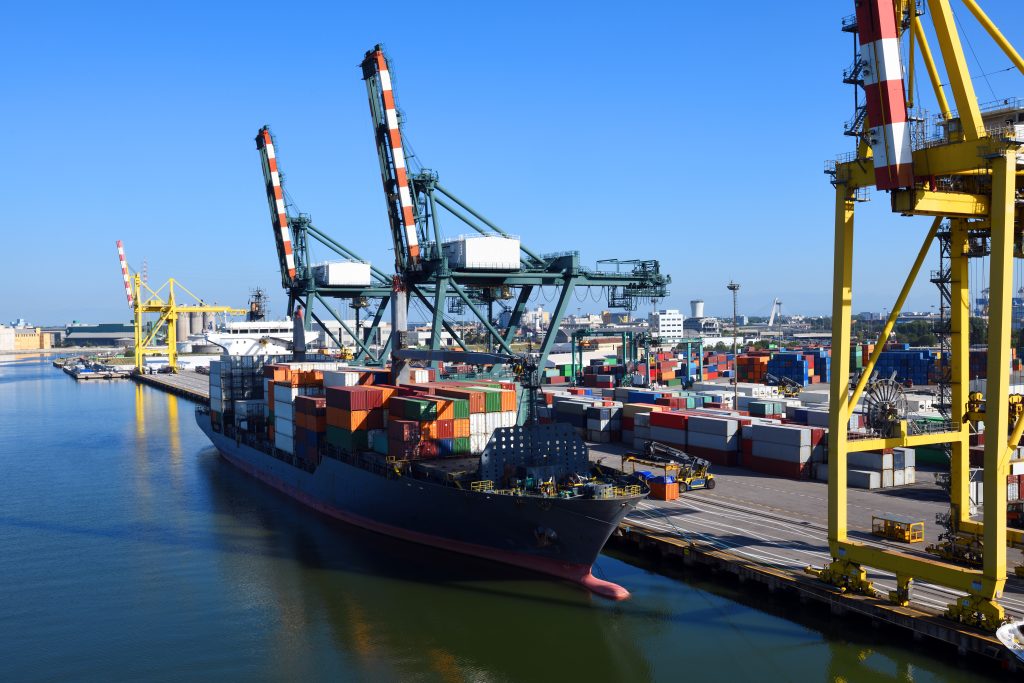
The Iran war has placed Global trade under a practical supply-security test. Fuel, fertiliser, shipping, finance and logistics now determine which economies can keep essential goods moving at tolerable cost. The pressure falls hardest on import-dependent African economies that rely on distant suppliers, have weak storage capacity, use short procurement cycles, and enter into USD-priced contracts. It also changes the commercial value of African ports, North African fertiliser capacity, regional fuel distribution, trade finance and AfCFTA-linked corridors. The brief assesses how the conflict is changing trade advantage across MENA and SSA, where exposure is deepest, and where practical opportunities are emerging around strategic goods, route reliability and regional supply systems.
Context
Global trade has been shaped and impacted by repeated external shocks, especially since 2020. The COVID-19 pandemic disrupted shipping, inventories and supplier reliability; the Ukraine war placed pressure on grain, fuel, fertiliser and food-import bills; and the global inflation cycle raised the cost of finance, freight and public borrowing. The United States–Iran war, which began on 28 February 2026, enters this already strained environment. Its location around the Gulf, the Strait of Hormuz, the Red Sea, the Suez Canal, the Cape of Good Hope, and the western Indian Ocean places it close to the routes and commodities that connect trade between the Middle East and North Africa (MENA) and Sub-Saharan Africa (SSA).
The conflict is adding pressure to trade systems that were already highly exposed to imported fuel, fertiliser, refined products, food inputs, pharmaceuticals, industrial chemicals, and USD-priced contracts. In MENA, the war affects energy exports, fertiliser supply, logistics, investment, and North Africa’s commercial role as a bridge to African markets. For SSA, it raises sharper questions around fuel security, crop-input supply, port capacity, trade finance, inland corridors and the practical value of the African Continental Free Trade Area (AfCFTA). The core issue is how a Gulf-centred conflict can alter the cost, direction and reliability of trade between the two regions, while creating new pressure points and selective openings around strategic goods and regional supply systems.
Corridor access is now a trade variable
Passage through the strait is increasingly shaped by vessel ownership, cargo origin, chartering arrangements, insurance appetite, sanctions exposure and diplomatic alignment. The practical effect is visible before cargo leaves port. Traders, banks, insurers and shipping firms are assessing the vessel’s flag, the beneficial owner, the cargo buyer, the financing bank, the route, the counterparty chain, and the probability of delay. A Gulf-linked shipment now carries a political and compliance profile in addition to its commercial profile.
The Hormuz corridor carries roughly 25 to 30 percent of global oil flows, around 20 percent of LNG trade, and a large share of seaborne fertiliser, petrochemical and industrial cargo. Its exposure gives the war a direct trade effect across MENA and SSA. The pressure extends through the Gulf, the Red Sea, the Suez Canal, Bab el-Mandeb, the western Indian Ocean, and the Cape of Good Hope. These routes are now linked by cost transmission: delays in one passage raise freight rates, war-risk premiums, bunker fuel costs, chartering uncertainty, and delivery buffers across the wider network. The commercial issue is the reliability of movement across a chain of maritime corridors, ports and insurers.
Container lines, tanker operators, commodity traders and insurers are building larger risk margins into Gulf-linked cargo. Some firms are delaying sailings, changing port calls, tightening force majeure clauses, revising delivery windows and applying more restrictive payment terms. The risk is especially high for time-sensitive cargoes such as spare parts, pharmaceutical inputs, industrial chemicals, refined products, agricultural inputs and intermediate goods used in manufacturing. These goods often move through complex contracts involving multiple jurisdictions, banks and insurers. A shipment may remain legally permissible while becoming commercially unattractive because the insurance premium, financing cost, delay risk and documentation burden rise beyond normal contract margins.
The rerouting effect is changing Africa’s maritime position. Around 70 percent of freight traffic that moved through the Red Sea in 2023 is now reported to be moving around the Cape of Good Hope, while commercial vessel traffic via the Cape has reportedly more than tripled over three years, and Bab el-Mandeb traffic has fallen by more than half. This gives ports in South Africa, Namibia, Mauritius, Mozambique and Angola greater relevance in global shipping calculations. Durban, Ngqura, Cape Town, Walvis Bay, Maputo, Port Louis and Luanda can benefit from bunkering, crew change, warehousing, repair services, trans-shipment, and inland distribution, where port systems can absorb higher traffic. The same shift raises costs for importers facing longer sailing times, container imbalance, port congestion, rail weaknesses and limited storage. Geography creates leverage only where ports, customs systems, energy supply, security services and hinterland corridors can support faster turnaround.
The corridor shift also changes the balance between large and smaller traders. Firms with long-term freight contracts, diversified suppliers, access to trade finance and stronger compliance systems can manage rerouting with less disruption. Smaller importers in SSA face tighter working-capital pressure when goods spend longer at sea, letters of credit become more expensive, insurers request additional documentation, and suppliers demand shorter payment cycles. The same pressure affects MENA firms that rely on Gulf ports for re-export, petrochemicals, machinery, foodstuffs and intermediate goods. The war is therefore creating a hierarchy of trade access: companies and countries with finance, insurance, storage, port capacity, and route flexibility are better placed to keep goods moving, while exposed importers absorb higher landed costs and less predictable delivery times.
Fuel dependence narrows Africa’s oil-price gains
Higher crude prices are creating uneven outcomes across MENA and SSA because export status alone does not determine advantage. The World Bank’s baseline forecast placed Brent crude at around USD 86 per barrel in 2026, with an upside scenario of around USD 115 per barrel if damage to oil and gas infrastructure continues and export recovery remains slow. Brent reportedly reached around USD 126 per barrel in April 2026, reflecting the scale of market repricing during the conflict. These price levels strengthen revenue prospects for producers with available capacity, secure export infrastructure and contracts linked to international benchmarks. They also raise import bills for fuel-dependent economies, increase electricity generation costs when oil-based generation remains part of the mix, and raise transport costs across road freight, aviation, agriculture, mining, and urban distribution.
The clearest distinction is between economies that export crude and economies that control reliable refining, storage and distribution systems. Nigeria, Angola, Libya, the Republic of Congo, Gabon, and South Sudan may benefit from higher crude prices when production is stable, and cargoes can reach buyers. The benefit narrows where export systems face pipeline losses, ageing infrastructure, delayed investment, security constraints or limited spare capacity. Several African producers still depend on imported petrol, diesel, jet fuel and liquefied petroleum gas. That structure weakens the fiscal gain from higher crude earnings, since governments and consumers then face higher landed costs for refined products. Fuel subsidy systems can absorb part of the export windfall, especially where domestic pump prices are politically sensitive, and transport costs feed quickly into food prices.
Refined products have become the more immediate pressure point for African trade. The Iran and Ukraine wars have reduced almost 9 percent of global refinery capacity in recent months, with the Iran conflict alone cutting around 3.52 million barrels per day of refining capacity. Jet fuel prices reportedly reached record highs, while diesel shortages affected industrial and transport markets. For SSA, this directly affects the cost base of
trade. Diesel powers long-distance trucking, ports, mining equipment, generators, irrigation pumps and cold chains. Jet fuel costs affect air cargo, business travel, tourism links and the movement of high-value perishables. Petrol and liquefied petroleum gas prices affect household budgets and urban distribution. A crude-exporting country with weak refining capacity can therefore experience higher export receipts and higher domestic fuel pressure in the same period.
MENA energy economies face a distinct yet interconnected exposure. Gulf producers benefit from higher prices, even as output, export terminals, pipelines, and tanker access remain functional. The same producers face higher infrastructure risk, insurance costs and route uncertainty when cargoes depend on Hormuz. Saudi Arabia and the United Arab Emirates (UAE) have partial pipeline alternatives that reduce dependence on the strait for some flows. Qatar, Kuwait and Bahrain have narrower bypass options for core export volumes, especially LNG and refined products. Iraq remains highly exposed to Gulf export routes. Energy-importing MENA economies, including Egypt, Morocco, Tunisia, Jordan and Lebanon, face a more direct import-cost shock through higher fuel, electricity, and transport costs, as well as foreign-exchange pressure. Egypt has additional exposure through LNG, power generation needs, fertiliser production and the Suez-linked logistics environment.
Industrial input costs are moving through the same energy channel. A 10 percent oil-price increase linked to geopolitical supply pressure can push gas prices up by around 7 percent and raise fertiliser prices by more than 5 percent, with some effects appearing over a longer cycle as contracts reset and inventories run down. Petrochemicals, plastics, packaging, synthetic fibres, industrial gases, lubricants and bitumen all become more expensive when crude, gas and refining markets tighten. This affects MENA and SSA manufacturers that depend on imported intermediate goods from the Gulf, Asia and Europe. Food processors face higher packaging and transport costs. Construction firms face higher costs for bitumen, plastics, and logistics. Mining firms face higher costs for diesel, explosives-related inputs, lubricants, and equipment transport. The energy shock is therefore feeding into the traded cost structure of production, with the strongest pressure on economies that import fuel, import industrial inputs and rely on long inland corridors to reach consumers and production sites.
Fertiliser delays transmit Gulf risk to African food trade
Fertiliser is the clearest route through which the Iran war is entering African food systems and the MENA–SSA trade. Around one-third of seaborne fertiliser shipments pass through or depend on the Strait of Hormuz trade environment, alongside LNG, ammonia, sulphur, urea and petrochemical inputs. These products are part of the production chain for nitrogen, phosphate and complex fertilisers. When Gulf shipping becomes more expensive or less predictable, the effect quickly extends to crop-input contracts, supplier credit, planting decisions, and landed costs at African ports. The exposure is strongest for countries that import fertiliser close to planting seasons, rely on spot purchases, and lack domestic blending or storage capacity.
The price movement has already changed the economics of fertiliser access. World Bank analysis places the 2026 fertiliser price increase at around 31 percent, driven partly by a projected 60 percent rise in urea prices. Earlier market movements showed Middle East granular urea rising by 19 percent in one week, while Egyptian urea prices rose by 28 percent in the same early shock period. FAO analysis projected global fertiliser prices could average 15 to 20 percent higher in the first half of 2026 if route pressure, energy prices and export constraints persist. These figures create a direct pressure point for SSA agriculture, where fertiliser use remains low by global standards and where small price changes can shift farmer behaviour before the planting season begins.
The timing of fertiliser availability is as important as the price. In the Sahel, planting windows move from southern zones around May towards northern zones through June and July. East African and Southern African planting cycles also depend on seasonal rainfall and on the delivery of inputs before peak demand. Delayed cargo can reduce application rates, even when the fertiliser eventually arrives. Farmers with limited cash and weak access to credit often respond by cutting applications, switching crops, applying fertiliser late or purchasing smaller quantities. These decisions affect yields, quality, and marketable surplus of maize, rice, wheat, sorghum, horticulture, and export crops. The trade effect then moves from fertiliser imports into food imports, grain prices, livestock feed, agro-processing margins and cross-border food flows.
North Africa sits at the centre of the fertiliser trade adjustment. Morocco holds around 70 percent of known global phosphate reserves and is central to phosphate-based fertiliser supply. Algeria has gas and nitrogen fertiliser capacity. Egypt is a major producer of urea and fertilisers, with access to the Mediterranean, Red Sea and African markets. These positions give North Africa a stronger role in supplying SSA during Gulf disruption, especially to West Africa, the Sahel, and parts of East Africa. The constraint sits in input dependence and contract rigidity. Morocco imports around 3.7 million metric tonnes of sulphur annually from Gulf suppliers to produce complex fertilisers from phosphate. Egypt’s fertiliser producers face gas allocation, domestic demand and
hard-currency pressures. Algeria’s gas-linked production depends on export commitments, domestic energy priorities and logistics capacity. North African supply can reduce exposure for SSA, but only where sulphur, gas, port handling, credit and distribution systems remain aligned.
The fertiliser channel is also reshaping intra-African trade under AfCFTA. SSA demand is concentrated across farming systems that need a predictable seasonal supply, while production and blending capacity is unevenly distributed across North Africa, Nigeria, South Africa, Senegal, Ethiopia, Zambia and other emerging hubs. A more regional fertiliser market would depend on storage near ports and inland corridors, standardised product quality, faster customs clearance, supplier credit, rail and trucking availability, and stronger links between fertiliser importers, farmer organisations and agro-dealers. The current shock gives practical weight to intra-African trade in crop inputs: phosphates from North Africa, gas-linked nitrogen products from African producers, blended fertilisers closer to farming zones, and cross-border distribution into landlocked markets such as Mali, Niger, Burkina Faso, Chad, Zambia, Zimbabwe, Uganda and Rwanda.
AfCFTA faces a strategic-goods stress test
In February 2026, the AfCFTA Secretariat and Alliance for a Green Revolution in Africa (AGRA) partnership placed agricultural trade and food-system integration inside the same policy space as the Iran war’s input shock. The timing gives AfCFTA a sharper commercial role. Regional trade is now being tested through access to fertiliser, fuel, food staples, pharmaceuticals, packaging, spare parts, electricity and logistics services. These goods move through real corridors, warehouses, ports, banks, standards agencies and border posts. The pressure from the war, therefore, shifts attention from tariff schedules to the practical systems that determine whether African suppliers can move essential goods across borders at speed and at predictable cost.
The strongest AfCFTA test is the movement of strategic goods between African production zones and deficit markets. Nigeria’s crude and gas position, Morocco’s fertiliser base, Algeria’s gas-linked industrial capacity, Egypt’s fertiliser and logistics position, the DRC’s minerals, South Africa’s industrial base, Zambia’s copper value chain, Mozambique’s gas and port access, Kenya’s logistics role, Ethiopia’s agricultural scale and Côte d’Ivoire’s agro-processing capacity all create potential supply links. These assets remain unevenly connected. The war makes that fragmentation more costly because countries facing higher import bills from Gulf-linked markets need closer suppliers, faster customs clearance, trade finance, and certainty in storage and transport. AfCFTA’s value is therefore tied to corridors that can carry goods from surplus areas into import-dependent markets before price movements become domestic shortages.
Corridor costs remain one of the clearest constraints. The Nairobi–Lusaka corridor illustrates the problem: moving a 20-foot container has been reported to cost around USD 3,500 to USD 7,000, with transit times ranging from 8 to 30 days depending on border conditions, congestion, and operational delays. Costs at this level weaken the commercial case for regional substitution, especially for lower-margin goods such as grain, fertiliser blends, packaging, animal feed, processed foods and basic manufactures. Landlocked economies carry the highest exposure because port delays, inland transport costs, road user charges, customs procedures and informal payments accumulate before goods reach final buyers. The Iran war increases the value of regional supply, but high corridor costs can still make a nearby African supplier less competitive than a distant external supplier with better logistics and finance.
Trade finance is becoming as important as physical connectivity. Afreximbank’s USD 10 billion Gulf Crisis Response Programme shows the scale of liquidity pressure created by fuel, food, fertiliser, pharmaceuticals and shipping costs. Importers need letters of credit, hard currency, guarantees, inventory finance and insurance at the same time that currencies are weakening and suppliers are tightening payment terms. Around 29 African currencies were reported to have depreciated during the early shock period, raising the cost of USD-priced imports and external debt service. Under AfCFTA, regional trade in strategic goods depends on whether banks can finance cross-border purchases in local or regional settlement systems, whether buyers can hold inventories, and whether suppliers can extend credit across borders without carrying excessive payment risk.
AfCFTA also changes the commercial meaning of African industrial assets. Fertiliser blending near farming zones, fuel storage near transport corridors, regional grain reserves, pharmaceutical distribution hubs, cold-chain logistics, battery storage, agro-processing zones and power-pool infrastructure become trade assets under external disruption. A truck moving fertiliser from a port in Morocco or Senegal into the Sahel, a rail corridor moving refined products from a coastal depot into landlocked markets, or a regional power trade arrangement reducing diesel generation all sit within the same resilience logic. The war places a higher value on African firms that can source regionally, process locally, and distribute across borders, especially those that reduce exposure to Gulf-linked shipping, USD settlement pressure, and long-distance freight volatility.
MENA–Africa trade is hardening around supply security
The war is tightening the commercial basis of MENA–Africa relations. The Middle East accounts for around 15.8 percent of Africa’s imports and 10.9 percent of its exports, which places the relationship inside Africa’s core trade exposure, especially through fuel, fertiliser, petrochemicals, food products, construction materials, logistics, finance and re-export channels. Gulf and North African partners are now being assessed through supply reliability, payment flexibility, shipping access and the ability to maintain contracts under route pressure. Broad investment diplomacy is giving way to harder commercial tests: which partners can deliver fuel, fertiliser, food, credit lines, storage, port access, shipping capacity and industrial inputs under disrupted conditions.
Gulf engagement with Africa is likely to become more selective as Gulf economies absorb higher infrastructure risk, insurance costs, domestic security spending and route uncertainty. The UAE, Saudi Arabia, Qatar and Kuwait have built large Africa-facing interests across ports, logistics, agriculture, mining, energy, tourism, telecoms and sovereign investment. These interests can still deepen, especially where African markets support food security, mineral access, and alternative logistics. At the same time, investment decisions may become more concentrated on assets that directly support Gulf supply security, such as farmland, grain handling, cold chains, port concessions, fuel storage, mineral offtake, renewable power, and transport corridors. Lower-priority projects, high-risk markets and long-payback infrastructure could face slower capital deployment if Gulf fiscal and corporate priorities shift towards domestic protection and route management.
North Africa’s role is widening beyond its existing trade position. Morocco, Algeria and Egypt are becoming more important as connectors between Gulf disruption, European demand and SSA supply needs. Morocco’s phosphate base, Algeria’s gas and industrial capacity, and Egypt’s fertiliser, port and manufacturing position give the subregion a practical role in supplying inputs, processing goods and linking Mediterranean, Red Sea and African markets. Sulphur dependence, gas allocation, domestic demand, hard-currency needs, existing export contracts and port capacity all shape how much North Africa can redirect towards SSA. Tunisia and Libya also sit within this wider adjustment through proximity to Mediterranean routes, energy assets, labour links and logistics potential, although domestic institutional conditions shape their ability to convert location into stable trade capacity.
Iran–Africa trade faces a narrower and more compliance-heavy environment. Iran–Africa trade reached around USD 1.3 billion in 2025, with Iranian exports including steel, bitumen, urea, cement, petrochemical products and industrial oils, while Iran imported agricultural products, coffee, tea and minerals from African partners. These flows are exposed to shipping risk, payment constraints, sanctions screening, insurance withdrawal and banking caution. African firms may face higher transaction costs even
where goods are commercially attractive and legally permissible in their own jurisdictions. Intermediary trade through third countries may expand in specific products, but that route increases documentation risk, pricing opacity and settlement complexity. African exporters dealing in minerals, agricultural commodities and industrial inputs may therefore see Iran-linked opportunities become more selective, higher-margin and harder to finance.
External powers are also reworking their strategies in Africa around the same pressure points. China’s exposure to Gulf energy routes gives North Africa, African renewables, critical minerals and alternative logistics corridors greater strategic value in Chinese trade planning. India is placing greater weight on agriculture, energy and critical minerals in Africa as disruptions to fuel and fertiliser supply affect its own supply calculations. The EU’s interest in green hydrogen, low-carbon fertiliser, Mediterranean manufacturing and critical raw materials gives Morocco, Egypt, Namibia, South Africa and other energy-transition markets stronger relevance. BRICS dynamics add another layer because Iran, Egypt, Ethiopia, the UAE and other members or partners bring conflicting energy, security and trade priorities into the same forum. Africa’s commercial position improves where countries can offer bankable projects, reliable exports, enforceable contracts, functioning corridors and regional market access.
Policy implications
The trade environment emerging from the Iran war is likely to reward economies that can offer dependable supply, credible logistics and flexible financing under pressure. In practical terms, the advantage will lie with ports that can handle diverted vessels, fertiliser producers that can maintain access to inputs, fuel suppliers that can support regional distribution, banks that can finance essential imports, and governments that can reduce delays across borders and inland corridors. This gives parts of MENA and SSA a more important commercial role, but the gains will be uneven because assets such as ports, storage, refining, fertiliser capacity and trade finance are concentrated in a limited number of countries.
The strongest Africa-facing opportunities will sit where regional production and distribution can substitute for longer, riskier supply chains. North African fertiliser and gas-linked industrial capacity, African crude and gas production, Cape-route maritime services, regional food trade, logistics corridors and local-currency settlement mechanisms can all become more commercially relevant if they are connected to reliable buyers and functioning routes. The constraint is that many African markets still depend on imported refined fuel, external fertiliser, long inland transport chains, and USD-priced procurement, which means the cost of disruption will remain high for countries with weak storage, thin reserves, and limited access to trade finance.
MENA–Africa trade is therefore moving towards a more transactional and performance-based phase. The most durable partnerships will be shaped less by broad diplomatic alignment and more by the ability to deliver fuel, fertiliser, food inputs, industrial goods and finance during periods of route disruption and price volatility. Countries and firms that can provide a predictable supply, absorb risk, and move goods across borders will have stronger bargaining power, while markets that remain dependent on late procurement, single-route logistics, and external intermediaries will face higher costs and weaker negotiating space.